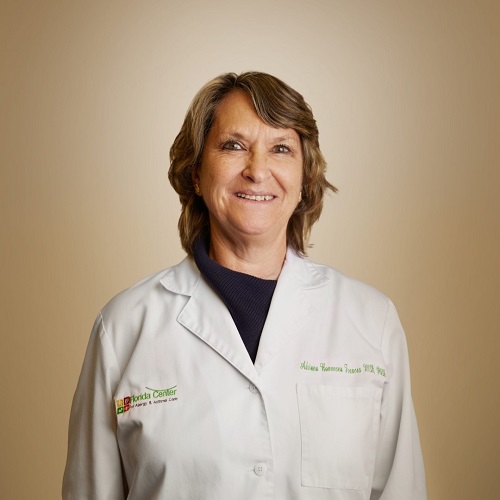
By Adriana Bonansea-Frances, MD
Florida is once again confronting a preventable public health challenge: a resurgence of measles. As physicians, we are trained to respond to disease with evidence, vigilance, and an unwavering commitment to our patients. Today, that responsibility is more important than ever.
Data from the Centers from Disease Control and Prevention (CDC) show that, as of March 2026, Florida had reported more than 120 confirmed measles cases, placing our state among the highest in the nation. While the numbers may appear modest compared to historical outbreaks, measles is one of the most contagious infectious diseases known, capable of spreading rapidly in under-immunized communities.
Measles is not a benign illness; it can lead to pneumonia, encephalitis, hospitalization, and even death, particularly among young children and immunocompromised individuals. Neurological complications can be permanent, such as post-infectious encephalomyelitis. Measles causes prolonged immunosuppression making individuals susceptible to other infections. Every case represents an individual patient as well as a potential chain of transmission that threatens entire communities.
This outbreak is not occurring in a vacuum. It reflects a broader national trend of declining vaccination rates and growing misinformation about vaccine safety. The science, however, remains unequivocal. Since 1963, when measles vaccination started, it has shown that the measles, mumps, and rubella (MMR) vaccine is safe, highly effective, and critical to maintaining herd immunity. As physicians, we understand the consequences of falling rates of vaccination.
Recently, a federal judge issued a ruling reinforcing the importance of science-based public health protections, an important step toward safeguarding Americans, particularly children. As the American Medical Association (AMA) stated on March 16, 2026: “Today’s ruling is an important step toward protecting the health of Americans, particularly children. Vaccines are one of the safest and most effective tools in medicine, and strong, science-based immunization policies save lives.”
The AMA is committed to maintaining access to vaccines, and it is not alone. The American Academy of Pediatrics, the CDC, and countless county and specialty societies stand unified in their support of routine childhood immunizations. This is not a matter of opinion, it is a matter of decades of rigorous scientific evidence and real-world outcomes.
In Miami-Dade County, we are fortunate to have a strong network of physicians committed to patient care and public health. But we must remain vigilant. Prevention is always more effective, and more humane, than treatment after the fact.
I urge my colleagues to continue having honest, evidence-based conversations with patients and families about vaccines. Address concerns with empathy, but stand firm in science. Our voices matter, and our recommendations carry weight.
I also invite physicians across Miami-Dade County to become more actively involved in advocacy through the Miami-Dade County Medical Association. Organized medicine plays a critical role in ensuring that public health policies remain grounded in evidence and that physicians have a seat at the table when decisions are made.
At a time when misinformation can spread as quickly as disease, unity within the medical community is essential. Together, we can protect our patients, uphold the integrity of science, and reaffirm our commitment to do no harm.
Measles is preventable. The question is not whether we have the tools, but whether we will use them.
Dr. Adriana Bonansea-Frances is President, Miami-Dade County Medical Association.