

Why Hospice Volunteers Are Vital – And Why You Should Consider Becoming One
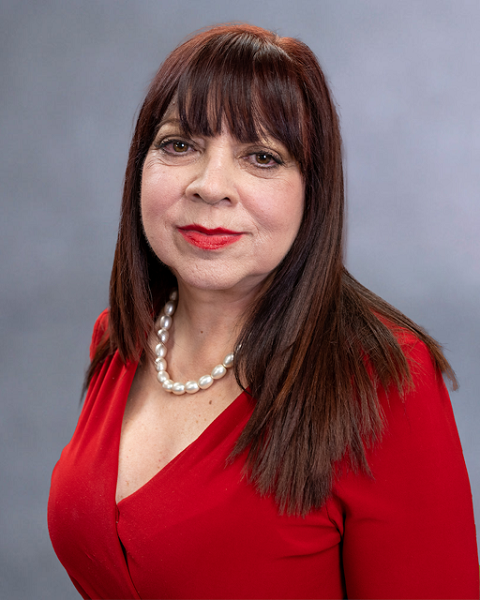
By Maria Hidalgo
Volunteers are the heart of every hospice organization. While doctors, nurses, and caregivers provide specialized care to patients, volunteers bring a unique element to the hospice experience.
The Crucial Role of Hospice Volunteers
Hospice care is one of the only areas of healthcare where volunteers are not just appreciated — they’re required by law. Enacted in 1982, the Medicare law mandates that hospice organizations dedicate at least 5% of their total patient care hours to volunteers. Why? Volunteers bring an essential human connection and support that complements medical expertise.
But when people are looking for ways to get involved, hospice isn’t likely to be top of mind. Common misconceptions about what hospice is – and isn’t – may deter interest. But hospice employees, volunteers, and even patients and families, are quick to point out that hospice brings hope. Hospice isn’t just a way to manage end-of-life care; it’s a way to celebrate life.
How Hospice Volunteering Helps Patients and Families
Hospice volunteers step in to provide relief and companionship in ways healthcare professionals can’t always do — whether that’s chatting with patients, assisting families, running errands, or even lending an ear as a patient reminisces about the past. Volunteer contributions enrich the end-of-life experience for both the patient and the family.
Regardless of one’s culture, background, or personal interests, a wide variety of volunteer opportunities exist under the hospice umbrella. At VITAS, our trained professionals help match volunteers with opportunities that are meaningful to each individual.
- Someone with a love of animals may consider volunteering with Paw Pals®, a VITAS program where pet visits offer a welcome distraction for hospice patients.
- Someone involved in or with ties to the military may want to consider our veterans program and bedside salutes, a way to remind service members that we haven’t forgotten their sacrifice.
- An interest in writing and storytelling is a perfect match for life bios, where volunteers spend time interviewing and memorializing stories that can be passed down for generations to come.
- Someone with limited time or someone who needs flexibility would be ideal as a proactive caller. A proactive caller connects with patients and families by phone to offer support and ensure their needs are being met.
Volunteers make a difference for patients and families in a variety of ways by:
- Offering Companionship – Volunteers provide patients with someone to talk to, read with, or simply share quiet moments with. This companionship can reduce feelings of loneliness and isolation.
- Supporting Caregivers – For family members caring for their loved ones, a volunteer stepping in for even a few hours can provide much-needed respite to rejuvenate or seek medical care themselves.
- Bridging the Gap – By helping with errands, running essential tasks, or documenting patient life stories, volunteers fill in important gaps in care.
Volunteers enhance every aspect of hospice care by offering their empathy and presence. It’s these small, heartfelt moments that make the biggest impact.
How Hospice Volunteering Helps the Volunteer
Many hospice volunteers say the decision to give their time has been one of the most fulfilling choices of their lives. There is an undeniable personal growth and healing element that comes with this role. Volunteers benefit from:
- Improved Mental and Emotional Health – Studies show that volunteering leads to boosted self-esteem, lower levels of depression, enhanced mood, and reduced stress.
- A Sense of Purpose – Helping others, especially during such significant moments in their lives, leads to an enriched sense of fulfillment and clarity about the volunteer’s own values and priorities.
- Healing Through Giving Back – Many volunteers join hospice programs after losing a loved one themselves, using the experience to channel their grief into helping others. For these individuals, the process becomes a way of honoring their loved one’s memory while connecting with a caring community.
Become a Hospice Volunteer
If you’re considering volunteering, check out the wide range of opportunities at VITAS.com/Volunteers. Our professionals will help educate, guide, and match you with patients and families close to you.
Maria Hidalgo is the volunteer manager for VITAS Healthcare in Miami-Dade. VITAS is the leading provider of end-of-life care throughout South Florida and nationwide.