

By Surendra P. Khera, MD, MSc
There are many patients who, for many reasons, may need to switch or establish a new primary care provider (PCP). This puts an undue burden on patients trying to navigate their care and tends to divert them to other care settings – like emergency rooms – for non-emergent care, straining the health care system.
In 2023, Cleveland Clinic Florida launched an innovative model, including a Clinical Access Team (CAT) program, to overcome these access barriers, bridge care gaps and get patients the timely care, follow ups and annual wellness visits they need.
Within the first year of the CAT program, Cleveland Clinic Florida reduced wait times by 66 percent across its five hospitals for new patients seeking primary care appointments.
Regionally, the wait time for primary care appointments went from 67 days, as an average, to 30 days today. At the start of this initiative, we saw primary care patients an average of 1.7 times per year. Now, an average patient is assured 3.2 visits a year, almost double where we found ourselves at the start, and double the national average. This means more patients get access to annual wellness visits, where they can talk about chronic disease management and receive preventive screenings.
Paths to Care
To reduce the wait times, we divided our work around traditional pathways and innovation.
The traditional pathways involved hiring more primary care doctors. We needed to recruit 40-50 primary care clinicians. We also needed to manage the flow of patients and bundle visits creatively. High value visits, such as wellness visits and hospital transition care visits, were also important.
Recruitment gives way to onboarding and managing the flow of patients. We also implemented “permissive bundling” of visits and focused on high value visits. We managed our templates, which involved creating an efficient parking lot system for patient appointments.
The last bucket of work was innovation, where the Clinical Access Team (CAT) came in.
At Cleveland Clinic, we believe models like CAT should be the standard for primary care. This model pairs a physician with two advanced practice providers (APPs) to ensure patients have timely access to primary care services during episodes of acute need. These teams are embedded across Cleveland Clinic Florida’s Weston Hospital, Martin Health and Indian River Hospital.
To help physicians manage the digital work, each of Cleveland Clinic’s Florida markets have two designated “In-Basket Captains” who support prescription refills, form management and monitoring MyChart communications. These individuals support the digital workloads to free up time for clinicians providing direct patient care. This additional layer of support also helps during time off, as physicians return to empty in-baskets and know their patients continue to have their medical needs met in a timely manner.
Additionally, Weston Hospital and Martin Health have Express Care teams consisting of nurse practitioners and physician assistants providing walk-in care services. They ensure Cleveland Clinic patients have same-day access to care for common medical issues, such as cold and flu symptoms, urinary tract infections and digestive complaints, among others.
By working in a collaborative care model along with APPs, we formalize the relation between a physician and APP to manage a segment of the population together. We’ve also grouped together complex cases to better help patients who either have more than five active conditions or take more than five to seven high-risk medications. We prioritize their visits and allow them to follow-up with the primary care physician.
Bringing stability to access
Our physician turnover rate has dropped significantly. The work we have done in creating access, offloading them, creating clinical access teams, in-basket support, and enhanced onboarding is paying off. Better support for physicians has brought stability to patient access.
Using the CAT program model, we also find that patients are empowered to use the MyChart portal to take control of their scheduling, increasing their chances of seeing a physician or APP sooner, including telemedicine appointments.
A key point is that sometimes we choose efficiency over reimbursement. Even if it would be more reimbursable to have a patient see a physician over an APP, Cleveland Clinic decided that our APPs would see new patients. We also allowed illness and wellness visits bundling. That means not only do I see you for your wellness visit, but I’ll also address your hypertension or diabetes – making visits more efficient for patients.
We ended 2024 at 74% annual wellness visits completion. And we were invited to present at the National ACO Convention because that number is a national high.
Early feedback indicates that administrative teams have also benefited from improved workload management, allowing more resources for assisting patients in need and making positive improvements in clinician burnout. The program’s blueprint is scalable to other regions facing similar access and care challenges in Florida and beyond. In addition, the program contributes to value-based care and long-term cost savings initiatives, benefiting both the health care system and patients throughout Florida.
Visit consultqd.clevelandclinic.org to learn more about the Primary Care Institute’s Clinical Access Teams.
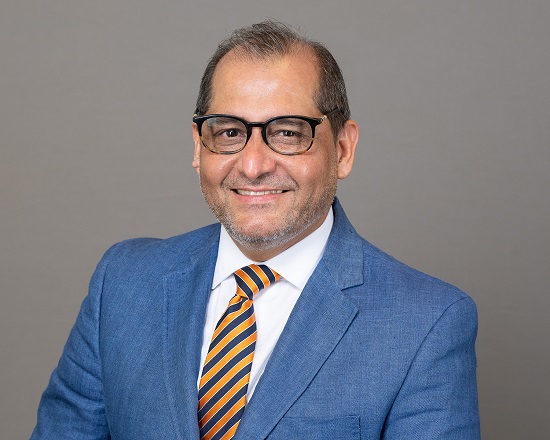
Dr. Surendra P. Khera is Vice-Chief of the Primary Care Institute at Cleveland Clinic Florida.