

By Aisha Subhani, DO
How has Cleveland Clinic’s approach to emergency medicine evolved, and what sets it apart?
We opened the new and expanded emergency department in Weston just before the pandemic. The reason for the expansion was the high volume of patients, and naturally so, because the surrounding communities have grown. We have seen a tremendous increase in patients coming by private transportation and by ambulance. Now we have a high-capacity emergency department that can serve those patients. We are seeing a month-by-month increase in volume. Second, as the hospital has grown with the opening of the new bed tower, we can meet the needs of patients requiring acute care. Greater than 80 percent of the hospital’s in-patient volume comes through the ER. What we offer is advanced cardiac care, and we are a primary stroke center that can provide advanced care for stroke patients, with wonderful outcomes. We also manage patients with serious infections such as sepsis and other life-threatening illnesses.
For some patients, coming to the ED is a way to make that initial connection with Cleveland Clinic. We have a triage system so patients are assessed early. We can see the critical patients immediately, and minor care patients are treated through our Fast Track area. Post COVID, we are seeing a resurgence of patients wanting to have the care they need. We maximize our space, making sure they are bedded as soon as possible. We are working on having an ED observation unit for patients who do not need to be admitted but need prolonged attention and medical care. In the ED, we can address their medical concern immediately and arrange appropriate follow up. The goal is to expedite the care and treatment they need. We are starting a point of service initiative, so our patients that are discharged through the ED can obtain the appropriate follow-up they need with either primary care or a specialist in a timely manner. It’s an important convenience for our patients and a huge boost for the community and the patients we are serving.
Any other partnerships or collaborations that you have established in the different communities you serve to enhance emergency medical care and improve health outcomes?
Education is a key element. Cleveland Clinic has been working with organizations such as the American Heart Association for many years, and we just participated in the annual Heart Walk. Through organizations like the AHA, we educate people about risk factors that lead to strokes and heart disease as well as signs and symptoms of these life-threatening illnesses. Many times, stroke patients come to the hospital through their own private transport, not recognizing the potential severity of their clinical signs and symptoms. They may not know they could be experiencing a stroke, so education is key.
We work with associations to stress the importance of screening exams and testing, so that patients can be proactive about their health. We also collaborate with local emergency medical services and the Broward Sheriff’s Office. We have pre-hospital measures to improve outcomes, for sepsis, stroke and heart attacks, so we are prepared to address critically ill patients immediately when they are brought in by EMS. Our cardiology and neurology teams are on standby so when we get the call of a potential stroke or heart attack, we activate our teams and literally wait for them at the door. Cancer education and awareness are also key. We see many cancer patients presenting to the ED from complications related to cancer.
Looking ahead, what are some of the future initiatives for the ER departments at Cleveland Clinic?
The vast majority of patients we see in the emergency department are discharged. This means we must facilitate follow-up care immediately. We recently launched a Care at Home program at Cleveland Clinic Indian River Hospital, and we will launch that program in Weston as well. This program provides supportive care at home. We will identify patients through the ED who can resume long-term care at home and avoid lengthy hospital admissions. In the future, we hope to utilize telemedicine and virtual options to pre-screen patients that are being assessed by EMS. This is the future of medicine, and we hope to be at the forefront of providing world-class care to our patients in the safest and most effective means possible.
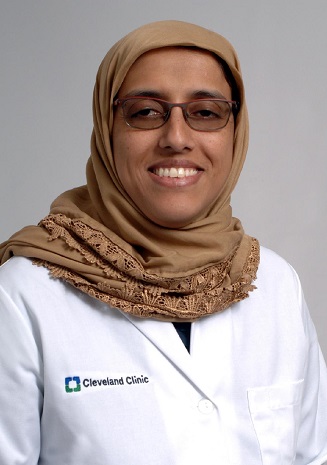
Dr. Aisha Subhani is Chair, Department of Emergency Medicine, Cleveland Clinic Weston Hospital.