When nursing students at Barry University in Miami Shores discovered rashes on the children at a daycare center in a South Florida migrant worker community, they looked for the cause. The childrens parents had no means to wash pesticides from the fields off their clothes after work. So the students developed Project Wash, a program to provide health screening and laundry detergent for the families. As a result, the childrens health improved, and Barrys students gained valuable insight into the connection between poverty and healthcare.
“Our students go out into community to see the practical implications of what they learn in a clinical setting,” says Pegge Bell, Ph.D., dean of the School of Nursing at Barry University. “We advocate for those communities, and our community-based programs help make our students better nurses.”
This past February 17, more than 100 Barry students participated in the Miami health fair organized by the Maryland-based Sister to Sister foundation as part of a nationwide campaign on National Womans Heart Day. Nearly 2,000 women and a few dozen men attended the daylong fair. More than 750 women received free heart health screenings, referrals for follow-up care, and immediate attention where necessary.
Sister to Sisters Miami campaign manager Allen Furst turned to Dr. Bell to recruit volunteers who could conduct the screenings. “That turned out to be a good partnership,” says Furst. “We had the volunteers we needed and it was a good day for Barry student nurses to practice what theyve learned in class with real people, under supervision.”

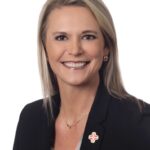
(l-r) L. Benitez, RN, Pam Wesslin, MSN, ARNP, Carolyn Le Page, MSN, ARNP, and J. Hernandez, RN
Barry students checked blood pressure, calculated body mass index, and met with participants to explain the numbers and, if necessary, make referrals for follow-up care. “Everybody gets involved,” says Rosario Medina-Shepherd, an assistant professor who teaches an undergraduate class in health assessment as well as graduate courses for nurse practitioners. “Its an awesome opportunity to have my brand new students work with my advanced medical/surgical or acute care nurses.”
The Sister-to-Sister health fair is the schools biggest outreach event of the semester, but Barry nursing students frequently provide free healthcare in the community as a required part of their coursework. “We go out with our students to serve populations that would otherwise not get healthcare,” explains Dr. Bell. “Were instilling in our students a commitment to community service, and were also enhancing the curriculum. This way our students can face the challenges that lay ahead as they treat a multicultural population.”
For many sophomores, the fair was their first venture into the community. “They were shocked that there were so many women, and men, who dont know the risk factors for heart disease,” says Dr. Bell. “There were elderly men and women who had high blood pressure that had not been diagnosed for years. Sophomores were taking blood pressure and saying, Oh, my gosh, 180 over 130.”

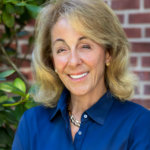
(l-r) Eddy Desrosiers-Bellamy, Haldyne Senatus, Tracie Urban, Vanessa Aumoithe, Nancy Francois, Dean Pegge Bell, PhD, RN, APN, and Margo Nottenkamper
For Margo Nottenkamper, a former office supplies sales representative who is now in the first year of Barrys accelerated BSN program, the experience was especially valuable. “We had just received our competency certifications for doing blood pressure checks,” she says. “We got very comfortable with the procedure by the end of the day. We each probably did at least 15 to 20 screenings, so it became like second nature.”
For Maria Veronica Leon, a senior completing her bachelors degree, the Sister to Sister health fair reinforces the importance of community outreach as a critical component of nursing. “Sometimes you have people who do not go to the doctor because they have no insurance or no money or no transportation,” Leon observes. “They go in groups to these events and find out what opportunities are available to them.”
Without these screenings, many people would ignore risk factors until their health problems are acute. Three people screened this year had such high risk factors that they were taken to the hospital for immediate attention. “Eventually well see them in the hospital,” says Professor Medina-Shepherd. “But at the fair, we see people who would not come in to a clinic and give them some education right there.”