

By Daniel Casciato
As the mental health crisis continues to impact communities across the nation, programs like the Psychiatric Mental Health Nurse Practitioner (PMHNP) concentration at Florida Atlantic University are stepping up to meet the growing demand for qualified mental health providers.
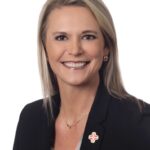
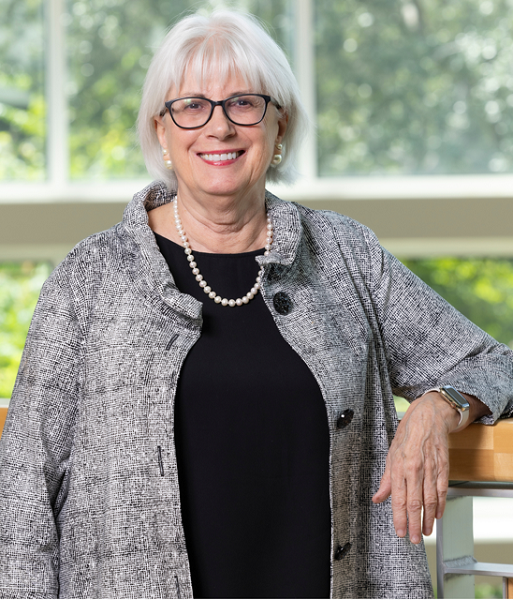
At the forefront of this effort is Dr. Beth King, a professor at Florida Atlantic’s Christine E. Lynn College of Nursing, who recently shared insights into the program’s innovative approach to training BSN to DNP students and its broader impact on communities in South Florida.
A Practice-Focused Degree Grounded in Caring
The PMHNP concentration is a component of the practice-focused Doctor of Nursing Practice (DNP) program designed to equip nurses with the advanced skills necessary to diagnose, treat, and manage mental health conditions across diverse populations and settings.
“The curriculum focuses on the development of knowledge and skills to conduct psychiatric evaluations, diagnose and treat mental health needs, provide medication management, and psychotherapeutic interventions, with our practice focus grounded in caring,” explains Dr. King.
Beyond clinical care, the program also prepares students to lead in shaping the future of mental health care. “In addition, DNP PMHNPs are prepared to become leaders in practice, translating research into practice, influencing mental health policy, and shaping health care delivery systems,” she adds.
Certificate Option Expands Opportunities
In addition to the full BSN to DNP pathway, the college also offers a post-graduate certificate option for already practicing Advanced Practice Registered Nurses (APRNs), such as Family Nurse Practitioners.
While both tracks prepare graduates for the PMHNP scope of practice, the certificate option is ideal for clinicians seeking to pivot into psychiatric mental health without repeating foundational coursework.
“The post-graduate certificate option is for advanced practice nurses, such as Family Nurse Practitioners, seeking additional knowledge and skills to assume the role of PMHNP,” says Dr. King. “Their scope of practice is the same as the DNP-prepared PMHNP, with a focus on improving health outcomes.”
A Nurse-Led Clinic That Meets Real Community Needs
Perhaps one of the most distinctive features of the PMHNP program is its nurse-led clinic: the Northwest Community Health Alliance (NCHA) Community Health Center (CHC) in West Palm Beach. This federally qualified health center look-alike serves as a vital training ground for PMHNP students.
This setting provides real-world exposure to the environmental and social challenges patients face.
“With traditional educational systems, students lack first-hand experiences in working with individuals, families and populations in ‘the conditions in the environment where people are born, live, learn work, play, worship, and age that affect a wide range of health, functioning, and quality of life outcomes and risks,” says Dr. King.
This real-world exposure addresses a key gap in traditional nursing education, which often lacks meaningful immersion in the social determinants of health, the conditions in which people live, learn, work, and age. By working in this innovative community model, students gain firsthand experience in addressing barriers to care, such as transportation, poverty, housing instability, and more.
Addressing a Full Spectrum of Mental Health Challenges
Within the clinic, students encounter a wide range of mental health issues, from depression and anxiety to severe psychiatric disorders exacerbated by socioeconomic stressors. The hands-on practicum experience allows students to apply classroom knowledge under the close supervision of experienced practitioners.
“These students are seeing the full range of mental health issues that providers deal with every day,” says Dr. King. “They’re learning how to care for individuals and families with compassion and confidence.”
A Timely and Impactful Program
Florida Atlantic has been a trailblazer in psychiatric nursing education. In 2017, the College of Nursing launched the first online post-graduate certificate and DNP PMHNP program in the state of Florida. Since then, the program has graduated scores of mental health professionals who now deliver care to thousands across the region.
“Our program aims to develop a PMHNP workforce that mirrors the population of South Florida and the nation,” notes Dr. King. “Today, the graduates are delivering desperately needed compassionate and competent mental health care to thousands of south Floridians.”
Grounded in a Philosophy of Caring
At the heart of the PMHNP program is the College of Nursing’s unwavering commitment to caring science. This philosophy is more than just a teaching method—it is a way of life.
“We are dedicated to advancing the science, studying the meaning, and living the practice of caring every day,” says Dr. King. “Our graduates don’t just know how to treat patients. They know how to care for them.”
That philosophy continues to shape the PMHNP program’s reputation for graduating thoughtful, compassionate, and highly skilled psychiatric nurse practitioners who are ready to address the mental health challenges of today—and tomorrow.
Looking Ahead
As the need for mental health services continues to grow in Florida and nationwide, programs like this are more critical than ever. With a blend of rigorous clinical training, innovative community partnerships, and a foundation in caring science, the Christine E. Lynn College of Nursing is not only preparing future leaders in psychiatric nursing, but also improving lives, one patient at a time.
Dr. King encourages those interested to connect with graduates and learn more about the program’s lasting impact.
For more information, visit nursing.fau.edu.