
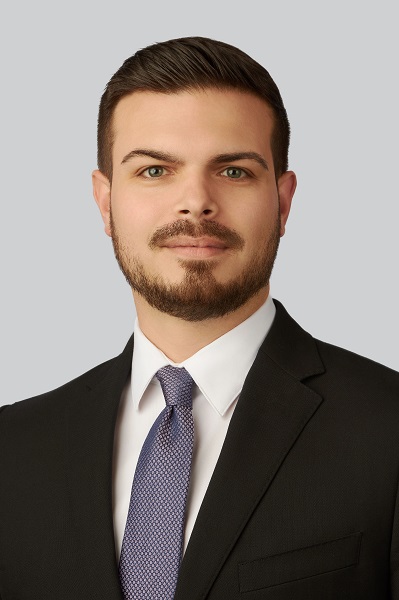


By Trevor Biglin
Mental health care providers in South Florida are increasingly facing retroactive claim clawbacks, where commercial insurers demand repayment for services already approved and paid for—often months after treatment. These unexpected repayment demands can range from hundreds to tens of thousands of dollars, disrupting cash flow and forcing providers to reduce patient loads or staff.
Insurers perform retrospective claim reviews to audit past payments and recover what they consider overpayments. Their goal is to confirm that services billed were medically necessary according to plan criteria, properly coded with accurate CPT, HCPCS, and diagnosis codes, and authorized under the member’s policy. A 2023 American Medical Association survey revealed that 35% of U.S. physicians experienced such retrospective denials or payment take-backs, with behavioral health among the hardest hit.
Common causes of clawbacks in mental health include authorization mismatches, such as billing for more sessions than authorized or failing to renew expired authorizations. Coding discrepancies also trigger clawbacks, for instance, billing a 60-minute psychotherapy session when only 45 minutes were authorized, or using unspecified codes without supporting documentation. Medical necessity disputes arise when insurers later claim therapy notes don’t justify treatment frequency or duration, citing inadequate documentation of progress toward goals.
Another frequent cause is changes in payer internal policies. Insurers may alter their authorization, coding, or documentation rules without timely notice to providers. Third-party auditors can then apply these new rules retroactively, clawing back payments for claims that complied with policies in place at the time of service. Florida law allows providers to dispute such retroactive clawbacks, especially when they conflict with prompt-pay and authorization protections.
South Florida providers are particularly vulnerable due to the region’s diverse commercial insurance market, frequent patient coverage changes, and reliance on managed care plans. Additionally, multilingual documentation needs in Miami-Dade and Broward counties can lead to insurer claims of insufficient documentation.
Though Florida-specific clawback data is limited, the U.S. Government Accountability Office reports nationwide retrospective recoveries reach hundreds of millions annually across Medicaid and commercial plans. For small practices, even a few thousand dollars reclaimed can threaten their financial viability.
Providers are not powerless. Florida law and federal ERISA regulations require insurers to provide clear reasons for overpayment recoveries, offer providers a chance to appeal before withholding future payments, and follow strict audit timelines. Experienced healthcare reimbursement law firms like Abril Law specialize in helping providers fight clawbacks by reviewing audit methods for errors, drafting strong appeals citing applicable laws, representing clients in arbitration or litigation, and negotiating repayment settlements that protect cash flow.
Preventing clawbacks also depends on operational diligence: verifying authorizations in writing before treatments, ensuring CPT codes precisely match authorized services, thoroughly documenting treatment progress, regularly confirming patient coverage, and conducting internal claims audits quarterly.
Retroactive clawbacks pose a serious threat to the financial health of South Florida’s mental health community. Providers who understand the causes, maintain meticulous records, and enlist expert legal support can turn clawback demands into successful disputes, safeguarding their revenue and ability to serve patients.
If you are a behavioral health provider facing retroactive clawbacks, contact Abril Law today at (305) 373-0901 for a free consultation.
Trevor Biglin, Associate, Abril Law, can be reached at tbiglin@abrilaw.com.






















