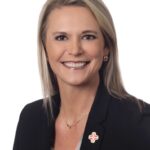
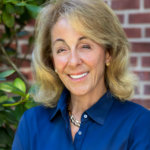
| Ronald F. Giffler, M.D., J.D. President, FirstPath Laboratories, Inc. Submitted by Fred W. Reineke, M.D., FCAP  Dr. Ronald F. Giffler, President of FirstPath Laboratories, Inc., has a long and distinguished career in all aspects of human pathology, and is a prominent leader in the South Florida medical community. He has been instrumental in developing an organization that is leading its industry and redefining healthcare delivery. Specifically, the organization was challenged with providing leading-edge laboratory solutions in an increasingly cost-prohibitive environment, while maintaining a consistently high level of satisfaction among physicians, patients, and medical facilities served. Dr. Giffler met this challenge by developing a flexible organization and high-performance workforce. He served as an exemplary model of excellence as a leader, as a physician and as a business executive. He has taken FirstPath to new heights of service delivery, developing an organization that is profitable, a workforce of first-rate pathologists, technologists, consummate healthcare providers and administrators, a team that is flexible in navigating an increasingly complex medical arena.
Dr. Giffler has modeled care, competence and professionalism, in serving our patients, the facilities we support and the wider community. The organization provides an integrated set of pathology services, recently opening a new location in Fort Lauderdale. It provides levels one through six surgical pathology, along with frozen sections, Pap smears and other non-gynecological pathology procedures. Leveraging the strong foundation that Dr. Giffler cultivated, the organization has been able to execute a smooth transition, which catapulted it to new medical and business plateaus.
Because Dr. Giffler has spent significant time working in hospital emergency rooms providing direct patient care, he is in a unique position to understand the role of the clinical laboratory in the provision of patient care, and the needs of the busy physician providing that care. He considers himself a consulting physician to the patients, families and friends, as well as physicians, and has cultivated an environment of extreme sensitivity at FirstPath. He is committed to continual improvement, both organizational and personal, demonstrating it in his personal life and encouraging it among the FirstPath team members.
As consumed as one might imagine him to be, Dr. Giffler is, nevertheless, an active member of a number of professional and social organizations, serving as President-elect of the Broward County Medical Association. He maintains a very low profile in the media and tends to be publicity-shy, even when it involves third-party submissions such as this. His other activities include serving as President of the Florida Physicians Association, and as Inspector in the Laboratory Accreditation Program for the College of American Pathologists. Dr. Giffler contributes actively to a number of community non-profit organizations. He encourages industry and community involvement among the FirstPath team members.
In addition to his medical credentials, Dr. Giffler holds a law degree (J.D.) from the University of Miami and an MBA from Nova Southeastern University. A Florida-licensed HealthCare Risk Manager, Dr. Ronald Giffler has written and lectured extensively on risk management and medical-legal issues in defense of Florida physicians and their patients.
He is a member of the Board of Directors of the Florida Medical Foundation. As a former Board member and secretary of the Board of Women in Distress of Broward County, Dr. Giffler frequently addresses audiences of physicians on domestic violence awareness issues.
Dr. Gifflers service to community extends beyond city and state borders. He currently serves the country as a Major in the Medical Corps of the United States Army Reserve.
In his spare time Dr. Giffler indulges an interest in antique automobiles and classical music. Healthcare service is a family affair in the Giffler household. His wife Diane currently chairs the central branch of the Broward County Medical Association Alliance. Similarly, their daughter, Sara, is a veterinarian in Virginia Beach, VA. Dr. Ronald F. Giffler, President of FirstPath Laboratories, Inc., has a long and distinguished career in all aspects of human pathology, and is a prominent leader in the South Florida medical community. He has been instrumental in developing an organization that is leading its industry and redefining healthcare delivery. Specifically, the organization was challenged with providing leading-edge laboratory solutions in an increasingly cost-prohibitive environment, while maintaining a consistently high level of satisfaction among physicians, patients, and medical facilities served. Dr. Giffler met this challenge by developing a flexible organization and high-performance workforce. He served as an exemplary model of excellence as a leader, as a physician and as a business executive. He has taken FirstPath to new heights of service delivery, developing an organization that is profitable, a workforce of first-rate pathologists, technologists, consummate healthcare providers and administrators, a team that is flexible in navigating an increasingly complex medical arena.
Dr. Giffler has modeled care, competence and professionalism, in serving our patients, the facilities we support and the wider community. The organization provides an integrated set of pathology services, recently opening a new location in Fort Lauderdale. It provides levels one through six surgical pathology, along with frozen sections, Pap smears and other non-gynecological pathology procedures. Leveraging the strong foundation that Dr. Giffler cultivated, the organization has been able to execute a smooth transition, which catapulted it to new medical and business plateaus.
Because Dr. Giffler has spent significant time working in hospital emergency rooms providing direct patient care, he is in a unique position to understand the role of the clinical laboratory in the provision of patient care, and the needs of the busy physician providing that care. He considers himself a consulting physician to the patients, families and friends, as well as physicians, and has cultivated an environment of extreme sensitivity at FirstPath. He is committed to continual improvement, both organizational and personal, demonstrating it in his personal life and encouraging it among the FirstPath team members.
As consumed as one might imagine him to be, Dr. Giffler is, nevertheless, an active member of a number of professional and social organizations, serving as President-elect of the Broward County Medical Association. He maintains a very low profile in the media and tends to be publicity-shy, even when it involves third-party submissions such as this. His other activities include serving as President of the Florida Physicians Association, and as Inspector in the Laboratory Accreditation Program for the College of American Pathologists. Dr. Giffler contributes actively to a number of community non-profit organizations. He encourages industry and community involvement among the FirstPath team members.
In addition to his medical credentials, Dr. Giffler holds a law degree (J.D.) from the University of Miami and an MBA from Nova Southeastern University. A Florida-licensed HealthCare Risk Manager, Dr. Ronald Giffler has written and lectured extensively on risk management and medical-legal issues in defense of Florida physicians and their patients.
He is a member of the Board of Directors of the Florida Medical Foundation. As a former Board member and secretary of the Board of Women in Distress of Broward County, Dr. Giffler frequently addresses audiences of physicians on domestic violence awareness issues.
Dr. Gifflers service to community extends beyond city and state borders. He currently serves the country as a Major in the Medical Corps of the United States Army Reserve.
In his spare time Dr. Giffler indulges an interest in antique automobiles and classical music. Healthcare service is a family affair in the Giffler household. His wife Diane currently chairs the central branch of the Broward County Medical Association Alliance. Similarly, their daughter, Sara, is a veterinarian in Virginia Beach, VA. |
Imad Tabry, MD, Receives Humanitarian of the Year Award from the Caducean Society of Greater Fort Lauderdale
 The Caducean Society of Greater Fort Lauderdale has named Imad Tabry, M.D., this years recipient of the prestigious Wilbur F. Helmus Medical Humanitarian Award.
This award is presented annually to a person who embodies the ideals and aspirations of a true humanitarian; one who exists for the future of others, without being suffocated by the present. Dr. Tabry, a cardiovascular/thoracic surgeon, has spent years providing free medical treatment to the people in war-torn Gaza, as well as training to Gazas health professionals.
“This award was particularly meaningful because it came from my peers,” said Dr. Tabry. “You dont do what I do for recognition, but because you feel it is the right thing to do. Receiving this award has been both humbling and gratifying. I hope it will stimulate my peers to give back and help the millions of health-deprived individuals worldwide.”
“Imad Tabry is a true medical humanitarian,” said Stephen A. Renae, MD, President of The Caducean Society of Greater Fort Lauderdale, which was founded in 1970. “He is an inspiration to his fellow physicians and a godsend to the people of Gaza. Some of us are blessed to experience the truth of the old adage that to lose your life is to really find it; and this is embodied best by sacrificially giving of oneself to those less fortunate.” The Caducean Society of Greater Fort Lauderdale has named Imad Tabry, M.D., this years recipient of the prestigious Wilbur F. Helmus Medical Humanitarian Award.
This award is presented annually to a person who embodies the ideals and aspirations of a true humanitarian; one who exists for the future of others, without being suffocated by the present. Dr. Tabry, a cardiovascular/thoracic surgeon, has spent years providing free medical treatment to the people in war-torn Gaza, as well as training to Gazas health professionals.
“This award was particularly meaningful because it came from my peers,” said Dr. Tabry. “You dont do what I do for recognition, but because you feel it is the right thing to do. Receiving this award has been both humbling and gratifying. I hope it will stimulate my peers to give back and help the millions of health-deprived individuals worldwide.”
“Imad Tabry is a true medical humanitarian,” said Stephen A. Renae, MD, President of The Caducean Society of Greater Fort Lauderdale, which was founded in 1970. “He is an inspiration to his fellow physicians and a godsend to the people of Gaza. Some of us are blessed to experience the truth of the old adage that to lose your life is to really find it; and this is embodied best by sacrificially giving of oneself to those less fortunate.” |
| Hospice an Oasis of Calm for Hospitalist by Rich Clarke  To the lay public, hospice can be a scary word. Paul Pugliese, M.D., finds that sometimes the word hospital can make the concept of hospice more comforting.
As lead hospitalist at 382-bed Parkway Regional Medical Center in North Miami Beach and medical director of Florida Acute Care Specialists, Dr. Pugliese (pu-GLAY-zee) has referred lots of terminally ill patients to hospice care. As team physician for the 13-bed VITAS inpatient hospice unit since it opened at Parkway in February, Dr. Pugliese has listened to frightened, uncertain families and assessed and cared for their dying loved ones. So he knows first hand that when a hospice provider partners with a local hospital, the word hospice becomes less scary. “The whole hospice process is a bit traumatic,” he says with empathy. “Families hear the word hospice and they think of it as a place to go to die. If the patient is already in the hospitaland Id say 50 percent of our Parkway hospice patients come from this hospitalyou can reassure the family: their loved one is only going to a different floor. That makes it an easier transition, both physically and emotionally. They dont feel that huge transition in care; they know procedures can be done, medications and oxygen are available, there are physicians to consult. They feel more comfortable signing on to hospice.”
Because he, too, is a busy hospital physician, Dr. Pugliese knows that a hospice unit in a hospital appeals to doctors, too. They can visit their hospice patients when they round every day; they know that ancillary services are at their fingertips; they may already know the hospice unit medical director and other staff.
But an inpatient hospice unit is an oasis of calm in the maelstrom of activity typical in any hospital. “Parkway is a new hospice unit,” Dr. Pugliese points out, “and the atmosphere is beautiful. Its not nearly as clinical as a hospital. In fact, its more like a hotelwith all the perks of a hospital.
“I save it for the end of my day,” admits this overworked hospitalist, who is currently on call every night. He looks forward to the relaxed pace of the VITAS inpatient hospice unit. “I have my charts there, the nurses accompany me, I go from room to room, take time to sit and talk, explain, help families make decisions. I dont have to order tests or check X-rays. Its a whole different mindset,” he says.
“It can be intense,” he interjects. “Patients tend to be in crisis when they come to a hospice unit. Families are overwhelmed. But you are more apt to have closer contact with the family at that point. I make connections that I find very rewardingit doesnt happen that way with my acute care patients. And despite the seriousness, people are smiling. Patients are getting the care they need. And the families of different patients get to know one another, which becomes another source of comfort and support for them.
“People go into hospice care to die with dignity and comfort,” Dr. Pugliese explains. “I think VITAS inpatient hospice units provide a really nice comfort level. Families are welcome 24 hours a day. Theres interaction between doctor, staff and family. Theres a process in hospice care, and it really happens in the unit. You dont get that process outside that setting.”
Dr. Pugliese graduated from the University of Miami School of Medicine and served his residency at Jackson Memorial Hospital. He is board certified in internal medicine. He travels extensively for work and pleasure, serving in 1996 and 97 as director of a medical center in St. Petersburg, Russia; currently renovating a farmhouse in southern Italy; and planning some philanthropic workperhaps a hospital or hospicein Africa. At home, he maintains a warm and fuzzy relationship with a cat named Floyd.
Rich Clarke is Senior Director of Admissions, VITAS Innovative Hospice Care® of Miami-Dade. To the lay public, hospice can be a scary word. Paul Pugliese, M.D., finds that sometimes the word hospital can make the concept of hospice more comforting.
As lead hospitalist at 382-bed Parkway Regional Medical Center in North Miami Beach and medical director of Florida Acute Care Specialists, Dr. Pugliese (pu-GLAY-zee) has referred lots of terminally ill patients to hospice care. As team physician for the 13-bed VITAS inpatient hospice unit since it opened at Parkway in February, Dr. Pugliese has listened to frightened, uncertain families and assessed and cared for their dying loved ones. So he knows first hand that when a hospice provider partners with a local hospital, the word hospice becomes less scary. “The whole hospice process is a bit traumatic,” he says with empathy. “Families hear the word hospice and they think of it as a place to go to die. If the patient is already in the hospitaland Id say 50 percent of our Parkway hospice patients come from this hospitalyou can reassure the family: their loved one is only going to a different floor. That makes it an easier transition, both physically and emotionally. They dont feel that huge transition in care; they know procedures can be done, medications and oxygen are available, there are physicians to consult. They feel more comfortable signing on to hospice.”
Because he, too, is a busy hospital physician, Dr. Pugliese knows that a hospice unit in a hospital appeals to doctors, too. They can visit their hospice patients when they round every day; they know that ancillary services are at their fingertips; they may already know the hospice unit medical director and other staff.
But an inpatient hospice unit is an oasis of calm in the maelstrom of activity typical in any hospital. “Parkway is a new hospice unit,” Dr. Pugliese points out, “and the atmosphere is beautiful. Its not nearly as clinical as a hospital. In fact, its more like a hotelwith all the perks of a hospital.
“I save it for the end of my day,” admits this overworked hospitalist, who is currently on call every night. He looks forward to the relaxed pace of the VITAS inpatient hospice unit. “I have my charts there, the nurses accompany me, I go from room to room, take time to sit and talk, explain, help families make decisions. I dont have to order tests or check X-rays. Its a whole different mindset,” he says.
“It can be intense,” he interjects. “Patients tend to be in crisis when they come to a hospice unit. Families are overwhelmed. But you are more apt to have closer contact with the family at that point. I make connections that I find very rewardingit doesnt happen that way with my acute care patients. And despite the seriousness, people are smiling. Patients are getting the care they need. And the families of different patients get to know one another, which becomes another source of comfort and support for them.
“People go into hospice care to die with dignity and comfort,” Dr. Pugliese explains. “I think VITAS inpatient hospice units provide a really nice comfort level. Families are welcome 24 hours a day. Theres interaction between doctor, staff and family. Theres a process in hospice care, and it really happens in the unit. You dont get that process outside that setting.”
Dr. Pugliese graduated from the University of Miami School of Medicine and served his residency at Jackson Memorial Hospital. He is board certified in internal medicine. He travels extensively for work and pleasure, serving in 1996 and 97 as director of a medical center in St. Petersburg, Russia; currently renovating a farmhouse in southern Italy; and planning some philanthropic workperhaps a hospital or hospicein Africa. At home, he maintains a warm and fuzzy relationship with a cat named Floyd.
Rich Clarke is Senior Director of Admissions, VITAS Innovative Hospice Care® of Miami-Dade. |
| Michael Zahalsky, MD Florida Medical Center  A Northeast native, Michael Zahalsky, M.D., has recently joined Florida Medical Center of Fort Lauderdale as its newest urologist and one of the only area physicians to treat male infertility through microscopic procedures.
Dr. Zahalsky is invigorating the esteemed urology department with his enthusiasm and proficiency. He came to the hospital following a dual fellowship at Boston University and Massachusetts Institute of Technology, where his work included innovative treatments for male and female sexual dysfunction and the implementation of microscopic urological procedures. Dr. Zahalskys expertise centers on male infertility, male and female sexual dysfunction and minimally invasive urological procedures. This includes microsurgical varicocelectomy, a low-risk operation which improves semen production, testicular function and consequently yields higher pregnancy rates. He also specializes in the following urological procedures: male and female sexual dysfunction, minimally invasive treatment of benign prostatic hyperplasia with an in-office procedure; minimally invasive approaches to kidney stone removal; minimally invasive procedures for stress urinary incontinence in females; microscopic vasectomy reversal; and laparoscopic kidney removal.
In 2004, Dr. Zahalsky received a grant from the New York Academy of Medicine to research genetics of male infertility arising from the X-chromosome at the Whitehead Institute, Massachusetts Institute of Technology. Through an American Geriatric Society grant that same year, he taught the importance of geriatrics to Boston University urology residents. Dr. Zahalsky credits these fellowships with his ability to bring new procedures to urology patients in Florida. Dr. Zahalsky earned his medical degree and M.M.S. in Epidemiology and Gerontology from Brown University. Board eligible through the American Board of Urology, he is a member of the American Urological Association, Society for the Study of Male Reproduction, Society for Male Reproduction and Urology, and the Endourological Society. He has published multiple chapters and articles in peer review journals, including Journal of Urology and Fertility and Sterility. Despite a hectic professional schedule, Dr. Zahalsky has participated in numerous volunteer activities. He performed free prostate cancer screenings through Boston Medical Center and spoke at mens health education seminars about prostate and testicular cancer screening and erectile dysfunction. Through the Adolescent Health Education Project, Dr. Zahalsky taught health maintenance to boys at the Rhode Island State Juvenile Detention Center. A Northeast native, Michael Zahalsky, M.D., has recently joined Florida Medical Center of Fort Lauderdale as its newest urologist and one of the only area physicians to treat male infertility through microscopic procedures.
Dr. Zahalsky is invigorating the esteemed urology department with his enthusiasm and proficiency. He came to the hospital following a dual fellowship at Boston University and Massachusetts Institute of Technology, where his work included innovative treatments for male and female sexual dysfunction and the implementation of microscopic urological procedures. Dr. Zahalskys expertise centers on male infertility, male and female sexual dysfunction and minimally invasive urological procedures. This includes microsurgical varicocelectomy, a low-risk operation which improves semen production, testicular function and consequently yields higher pregnancy rates. He also specializes in the following urological procedures: male and female sexual dysfunction, minimally invasive treatment of benign prostatic hyperplasia with an in-office procedure; minimally invasive approaches to kidney stone removal; minimally invasive procedures for stress urinary incontinence in females; microscopic vasectomy reversal; and laparoscopic kidney removal.
In 2004, Dr. Zahalsky received a grant from the New York Academy of Medicine to research genetics of male infertility arising from the X-chromosome at the Whitehead Institute, Massachusetts Institute of Technology. Through an American Geriatric Society grant that same year, he taught the importance of geriatrics to Boston University urology residents. Dr. Zahalsky credits these fellowships with his ability to bring new procedures to urology patients in Florida. Dr. Zahalsky earned his medical degree and M.M.S. in Epidemiology and Gerontology from Brown University. Board eligible through the American Board of Urology, he is a member of the American Urological Association, Society for the Study of Male Reproduction, Society for Male Reproduction and Urology, and the Endourological Society. He has published multiple chapters and articles in peer review journals, including Journal of Urology and Fertility and Sterility. Despite a hectic professional schedule, Dr. Zahalsky has participated in numerous volunteer activities. He performed free prostate cancer screenings through Boston Medical Center and spoke at mens health education seminars about prostate and testicular cancer screening and erectile dysfunction. Through the Adolescent Health Education Project, Dr. Zahalsky taught health maintenance to boys at the Rhode Island State Juvenile Detention Center. |
| Harold Roberts, Jr., MD, FACS Florida Medical Center  For years, people suffering from atrial fibrillation (afib), a common form of heart rhythm abnormality, faced the stark reality that no reasonable cure existed. However, a local doctor with a breakthrough treatment has given new hope to afib patients.
Harold Roberts, Jr., M.D., F.A.C.S., chairman of the Heart Institute of Florida at Florida Medical Center (FMC), has made great strides in the relatively new practice of minimally invasive heart valve surgery. Dr. Roberts is performing a revolutionary surgery known as “Mini-Maze” that can correct afib, a major cause of stroke.
Dr. Roberts specializes in mitral valve surgeries like Mini-Maze. According to the Agency for Healthcare Administration (ACHA), Dr. Roberts led the state in the number of mitral valve repair cases for the last five years.
The Mini-Maze procedure destroys a small amount of tissue at the point where the irregular heart signal starts. The damaged tissue can no longer conduct electrical impulses, allowing the rest of the chamber to resume beating normally. Mini-Maze has surgery eliminated afib in more than 85% of patients who have undergone the procedure. One of the latest developments in cardiac technology, Mini-Maze provides a safer, less painful alternative for the 90,000+ patients nationwide who annually require heart valve surgery.
In addition to Mini-Maze, Dr. Roberts also performs nearly all types of cardiac, general thoracic, and vascular procedures. He routinely does on- and-off-pump (beating heart) coronary artery bypass surgery and is the only surgeon in Broward County with experience in transmyocardial revascularization (TMR) with the CO2 laser.
A board-certified cardiothoracic surgeon active in the Fort Lauderdale area since 1990, Dr. Roberts also works with the South Florida Cardiovascular Surgical Associates, P.A. in Lauderdale Lakes. An Arkansas native and a graduate from the University of Arkansas College of Medicine, he completed a residency in general surgery at the University of Maryland in 1986, a cardiothoracic fellowship at the University of Illinois in 1988, and a fellowship in adult cardiac surgery at Beth Israel (a Harvard training facility) in 1990. For years, people suffering from atrial fibrillation (afib), a common form of heart rhythm abnormality, faced the stark reality that no reasonable cure existed. However, a local doctor with a breakthrough treatment has given new hope to afib patients.
Harold Roberts, Jr., M.D., F.A.C.S., chairman of the Heart Institute of Florida at Florida Medical Center (FMC), has made great strides in the relatively new practice of minimally invasive heart valve surgery. Dr. Roberts is performing a revolutionary surgery known as “Mini-Maze” that can correct afib, a major cause of stroke.
Dr. Roberts specializes in mitral valve surgeries like Mini-Maze. According to the Agency for Healthcare Administration (ACHA), Dr. Roberts led the state in the number of mitral valve repair cases for the last five years.
The Mini-Maze procedure destroys a small amount of tissue at the point where the irregular heart signal starts. The damaged tissue can no longer conduct electrical impulses, allowing the rest of the chamber to resume beating normally. Mini-Maze has surgery eliminated afib in more than 85% of patients who have undergone the procedure. One of the latest developments in cardiac technology, Mini-Maze provides a safer, less painful alternative for the 90,000+ patients nationwide who annually require heart valve surgery.
In addition to Mini-Maze, Dr. Roberts also performs nearly all types of cardiac, general thoracic, and vascular procedures. He routinely does on- and-off-pump (beating heart) coronary artery bypass surgery and is the only surgeon in Broward County with experience in transmyocardial revascularization (TMR) with the CO2 laser.
A board-certified cardiothoracic surgeon active in the Fort Lauderdale area since 1990, Dr. Roberts also works with the South Florida Cardiovascular Surgical Associates, P.A. in Lauderdale Lakes. An Arkansas native and a graduate from the University of Arkansas College of Medicine, he completed a residency in general surgery at the University of Maryland in 1986, a cardiothoracic fellowship at the University of Illinois in 1988, and a fellowship in adult cardiac surgery at Beth Israel (a Harvard training facility) in 1990. |
| Carlos Carrasquilla, MD, FACS Florida Medical Center  A South Florida resident for more than 30 years, Carlos Carrasquilla, M.D., F.A.C.S. is secretary of the medical staff and Director of Bariatric Surgery at Florida Medical Center, having previously served as Chief of Surgery and Chief of Staff. He is also Director of the Florida Center for Surgical Weight Control, P.A. Born in Colombia, South America, he moved to the United States in the 1960s and received his surgical training at Wayne State University School of Medicine in Detroit, where he later served as an Assistant Professor of Surgery.
Dr. Carrasquilla is a recognized expert and surgical pioneer in the field of Bariatric Surgery who specializes in the laparoscopic gastric bypass and in the laparoscopic adjustable gastric band (lap-band) surgical techniques. He uses an adjustable band, which can easily be adapted to the individual patients needs. The saline-filled tube placed in the band around the stomach can be adjusted to best curb the patients appetite and better help him or her lose weight. If the patient is eating too much, additional saline can be injected or, if the patient finds it difficult to eat, saline can be removed. With this type of surgery, patients usually lose about one to two pounds each week.
To provide weight loss solutions to great numbers of patients who are having the gastric bypass, Dr. Carrasquilla has introduced the Total Stapled Total Intra-Abdominal (TSTI) procedure. With this technique, all sectioning, reconstruction and suturing are performed inside the abdomen through the use of endo-surgical instruments.
With this technique, according to research by the University of South Florida in Tampa, Dr. Carrasquilla has been reported to be the surgeon with the least complications, such as leaks (only one per thousand reported cases). These results have been compiled through data obtained from the United States and other English speaking countries through the world. Dr. Carrasquilla and his associates routinely host seminars and follow-up support groups at Florida Medical Center in Ft. Lauderdale, to provide opportunities for pre- and post- surgery patients to discuss issues that may occur before and after surgery and benefit from the support of other patients.
Dr. Carrasquilla is an active member of the American College of Surgeons, the International Federation for Surgery of Obesity, the Society of Laparoscopy Surgeons, and an honorary member of the Colombia College of Surgeons. He also is an active member of the American Society for Bariatric Surgery, where he currently serves on the Central Surgical Review Committee for “Centers of Excellence,” the Standards Committee and is on the teaching faculty. Dr. Carrasquilla was recently included in the Consumer Research Council of Americas “Guide to Americas Top Surgeons” as chosen by his peers. A South Florida resident for more than 30 years, Carlos Carrasquilla, M.D., F.A.C.S. is secretary of the medical staff and Director of Bariatric Surgery at Florida Medical Center, having previously served as Chief of Surgery and Chief of Staff. He is also Director of the Florida Center for Surgical Weight Control, P.A. Born in Colombia, South America, he moved to the United States in the 1960s and received his surgical training at Wayne State University School of Medicine in Detroit, where he later served as an Assistant Professor of Surgery.
Dr. Carrasquilla is a recognized expert and surgical pioneer in the field of Bariatric Surgery who specializes in the laparoscopic gastric bypass and in the laparoscopic adjustable gastric band (lap-band) surgical techniques. He uses an adjustable band, which can easily be adapted to the individual patients needs. The saline-filled tube placed in the band around the stomach can be adjusted to best curb the patients appetite and better help him or her lose weight. If the patient is eating too much, additional saline can be injected or, if the patient finds it difficult to eat, saline can be removed. With this type of surgery, patients usually lose about one to two pounds each week.
To provide weight loss solutions to great numbers of patients who are having the gastric bypass, Dr. Carrasquilla has introduced the Total Stapled Total Intra-Abdominal (TSTI) procedure. With this technique, all sectioning, reconstruction and suturing are performed inside the abdomen through the use of endo-surgical instruments.
With this technique, according to research by the University of South Florida in Tampa, Dr. Carrasquilla has been reported to be the surgeon with the least complications, such as leaks (only one per thousand reported cases). These results have been compiled through data obtained from the United States and other English speaking countries through the world. Dr. Carrasquilla and his associates routinely host seminars and follow-up support groups at Florida Medical Center in Ft. Lauderdale, to provide opportunities for pre- and post- surgery patients to discuss issues that may occur before and after surgery and benefit from the support of other patients.
Dr. Carrasquilla is an active member of the American College of Surgeons, the International Federation for Surgery of Obesity, the Society of Laparoscopy Surgeons, and an honorary member of the Colombia College of Surgeons. He also is an active member of the American Society for Bariatric Surgery, where he currently serves on the Central Surgical Review Committee for “Centers of Excellence,” the Standards Committee and is on the teaching faculty. Dr. Carrasquilla was recently included in the Consumer Research Council of Americas “Guide to Americas Top Surgeons” as chosen by his peers. |
| Gail Austin Cooney, MD Medical Director, Hospice of Palm Beach County  Dr. Gail Austin Cooney feels a passion for what she does, “I passionately believe that every person deserves excellent, coordinated healthcare when they reach the end of their life.” Her motto is “to do whatever it takes to achieve what is best for the patient from their perspective.” How does she accomplish this while serving as Medical Director of Hospice of Palm Beach County (HPBC)? She does this by serving as a role model, by mentoring, by teaching and most importantly by supporting the growth and development of her clinical staff at HPBC.
“I encourage the development of the staffs full potential, regardless of their job description, by ensuring that funds are available for continuing education, supporting our tuition reimbursement plan and teaching at the bedside on a daily basis,” says Dr. Cooney.
It is by providing and leading this team effort that she is so successful in her role as Medical Director. She recognized the need for more physician involvement with the patient care teams and reorganized and implemented a new structure unlike any other hospice program. This included expanding the role of the HPBC physicians from a traditional certifying and consulting capacity to being involved in day to day patient activity. This includes the physician visiting patients where they reside, home, nursing homes or assisted living facilities as well as patient rounds in the HPBC facilities. They also consult with the patients primary physician and are actively involved with the nursing staff, counselors and volunteers as part of a team.
As a member of the local community, Dr. Cooney is also deeply involved in her church, the local school and professional organizations. She has shown she is a leader by serving as chairman of the Ethics Committees for the Palm Beach Medical Society, Intracoastal Health Systems, Good Samaritan Hospital and Hospice of Palm Beach County. She is an active committee member of the National Hospice and Palliative Care Organization as well as the National Bioethics Committee.
In order to serve the patients needs best, she has expanded ways of providing end-of-life care, which speaks to Dr. Cooneys goal of building a new system of care that requires cooperation between community and professional healthcare providers. In so doing, everyone benefits because they are involved more in interacting and caring with and for the patient. This contributes to everyone feeling better at the end of the day, knowing that they each made a positive difference in the quality of life of the patients and their families.
According to Dr. Cooney, “I am dedicated to end-of- life care in Palm Beach County. My goal is to work with other healthcare facilities, community leaders and the community-at-large promoting individuals rights and access to quality care.” Dr. Gail Austin Cooney feels a passion for what she does, “I passionately believe that every person deserves excellent, coordinated healthcare when they reach the end of their life.” Her motto is “to do whatever it takes to achieve what is best for the patient from their perspective.” How does she accomplish this while serving as Medical Director of Hospice of Palm Beach County (HPBC)? She does this by serving as a role model, by mentoring, by teaching and most importantly by supporting the growth and development of her clinical staff at HPBC.
“I encourage the development of the staffs full potential, regardless of their job description, by ensuring that funds are available for continuing education, supporting our tuition reimbursement plan and teaching at the bedside on a daily basis,” says Dr. Cooney.
It is by providing and leading this team effort that she is so successful in her role as Medical Director. She recognized the need for more physician involvement with the patient care teams and reorganized and implemented a new structure unlike any other hospice program. This included expanding the role of the HPBC physicians from a traditional certifying and consulting capacity to being involved in day to day patient activity. This includes the physician visiting patients where they reside, home, nursing homes or assisted living facilities as well as patient rounds in the HPBC facilities. They also consult with the patients primary physician and are actively involved with the nursing staff, counselors and volunteers as part of a team.
As a member of the local community, Dr. Cooney is also deeply involved in her church, the local school and professional organizations. She has shown she is a leader by serving as chairman of the Ethics Committees for the Palm Beach Medical Society, Intracoastal Health Systems, Good Samaritan Hospital and Hospice of Palm Beach County. She is an active committee member of the National Hospice and Palliative Care Organization as well as the National Bioethics Committee.
In order to serve the patients needs best, she has expanded ways of providing end-of-life care, which speaks to Dr. Cooneys goal of building a new system of care that requires cooperation between community and professional healthcare providers. In so doing, everyone benefits because they are involved more in interacting and caring with and for the patient. This contributes to everyone feeling better at the end of the day, knowing that they each made a positive difference in the quality of life of the patients and their families.
According to Dr. Cooney, “I am dedicated to end-of- life care in Palm Beach County. My goal is to work with other healthcare facilities, community leaders and the community-at-large promoting individuals rights and access to quality care.” |
| David Bimston, MD Surgical Oncologist North Broward Medical Center  David Bimston, M.D., surgical oncologist at North Broward Medical Center, is considered among the “Top Physicians in the Healthcare Industry” by both patients and peers in the health-care community. Despite his busy schedule as a surgical oncologist, Dr. Bimston is committed to presenting health education lectures both on behalf of the American Cancer Society and hospitals where he is affiliated. He is committed to speaking at community outreach programs and lectures to promote early detection and prevention of cancer. He often speaks at presentations after having spent long days treating patients and performing complex medical procedures. In addition, it is not unusual for Dr. Bimston to stay well after the completion of his talks to patiently answer attendees questions.
Dr. Bimston also is a regular contributor to publications in South Florida that are read by members of the community, written in language that is understandable, despite his level of expertise in the field of oncology.
A testimonial to this dedication can be summarized in the following statement from North Broward Medical Centers Comprehensive Cancer Center Senior Research Nurse, Phyllis Sullivan, RN, BA, OCN, CCRC:
“I referred a patient to Dr. Bimston for a second opinion. The patient said that Dr. Bimston listened to her and explained everything in such a way that she understood it all. He is a natural teacher
a patient advocate
wanting what is best for the patient. He is enthusiastic about being able to offer our patients the latest treatments via clinical trials.”
Dr. Bimston is an innovative surgical oncologist who strives to make available the most cutting-edge procedures to patients, including minimally invasive colorectal cancer surgery. These innovative procedures enable patients who are candidates to have improved treatment options, less pain during recovery, shorter hospitalization and a quicker return to daily activities. North Broward Medical Center would like to nominate Dr. Bimston as a “Top Physician in the Healthcare Industry” based on this profile. David Bimston, M.D., surgical oncologist at North Broward Medical Center, is considered among the “Top Physicians in the Healthcare Industry” by both patients and peers in the health-care community. Despite his busy schedule as a surgical oncologist, Dr. Bimston is committed to presenting health education lectures both on behalf of the American Cancer Society and hospitals where he is affiliated. He is committed to speaking at community outreach programs and lectures to promote early detection and prevention of cancer. He often speaks at presentations after having spent long days treating patients and performing complex medical procedures. In addition, it is not unusual for Dr. Bimston to stay well after the completion of his talks to patiently answer attendees questions.
Dr. Bimston also is a regular contributor to publications in South Florida that are read by members of the community, written in language that is understandable, despite his level of expertise in the field of oncology.
A testimonial to this dedication can be summarized in the following statement from North Broward Medical Centers Comprehensive Cancer Center Senior Research Nurse, Phyllis Sullivan, RN, BA, OCN, CCRC:
“I referred a patient to Dr. Bimston for a second opinion. The patient said that Dr. Bimston listened to her and explained everything in such a way that she understood it all. He is a natural teacher
a patient advocate
wanting what is best for the patient. He is enthusiastic about being able to offer our patients the latest treatments via clinical trials.”
Dr. Bimston is an innovative surgical oncologist who strives to make available the most cutting-edge procedures to patients, including minimally invasive colorectal cancer surgery. These innovative procedures enable patients who are candidates to have improved treatment options, less pain during recovery, shorter hospitalization and a quicker return to daily activities. North Broward Medical Center would like to nominate Dr. Bimston as a “Top Physician in the Healthcare Industry” based on this profile. |
| Malcolm Dorman, MD The Heart Institute at JFK Medical Center  Over the years, the Heart Institute at JFK Medical Center has brought personnel, technology and services to advance cardiac care for Palm Beach County residents. With the addition of Dr. Malcolm Dorman, Medical Director of Cardiovascular Surgery, to the Heart Institute at JFK Medical Center, the future looks even brighter.
Dr. Dorman is a world-renowned cardio-vascular surgeon practicing at JFK Medical Center. Currently Dr. Dorman is involved in the management of valvular heart disease focusing specifically on minimally invasive valve surgery and the preservation of the mitral valve. Dr. Dorman has treated patients from over thirty countries, and recently he was the first physician in South Florida to place the ThermaFix Advance Heart Valve into a patient. Years ago, he was also the first to place an internal defibrillator in the United States as soon as the FDA had approved it. In addition to his extensive work on valvular replacement and surgery, Dr. Dorman was the cardiovascular surgeon in the Angiogenesis phase one clinical trial JFK Medical Center and Florida Cardiovascular Research undertook earlier this year. The study was centered on the growth of new blood cells in heart patients with severe chronic angina using human growth factor. JFK Medical Center was one of only a select few hospitals nationwide to take part in the study.
Over Dr. Dormans career spanning more than thirty years, he has held positions of great prestige. Until joining the medical staff at JFK Medical Center, he was Chairman of the Department of Cardiovascular and Thoracic Surgery at Miami Heart Institute in Miami Beach, Florida where he was the recipient of the esteemed Humanitarian Award for “Commitment in Excellence and Research and Education”. In 1997, Dr. Dorman received the Distinguished Alumnus Award for the University of Health Sciences, Chicago Medical School, he was also one of only two residents selected to train with the famed Dr. Michael Debackey in 1972-1974. He is a member The Society of Thoracic Surgeons and The International Society for Cardiovascular Surgeons, and in 2003 Mayor Jeffrey Perlow announced that December 21 would be “Dr. Malcolm Dorman Day” in Aventura, Florida. He was man of the year, presented by Israel Prime Minister Benjamin Netanyahu and honored by Senator Bob Graham and State Representative Elaine Bloom. JFK Medical Center is privileged that Dr. Dorman is part of the medical team; his talent and leadership only further the success of the Heart Institute. Dr. Dorman is the epitome of dedication in the field of medicine. Over the years, the Heart Institute at JFK Medical Center has brought personnel, technology and services to advance cardiac care for Palm Beach County residents. With the addition of Dr. Malcolm Dorman, Medical Director of Cardiovascular Surgery, to the Heart Institute at JFK Medical Center, the future looks even brighter.
Dr. Dorman is a world-renowned cardio-vascular surgeon practicing at JFK Medical Center. Currently Dr. Dorman is involved in the management of valvular heart disease focusing specifically on minimally invasive valve surgery and the preservation of the mitral valve. Dr. Dorman has treated patients from over thirty countries, and recently he was the first physician in South Florida to place the ThermaFix Advance Heart Valve into a patient. Years ago, he was also the first to place an internal defibrillator in the United States as soon as the FDA had approved it. In addition to his extensive work on valvular replacement and surgery, Dr. Dorman was the cardiovascular surgeon in the Angiogenesis phase one clinical trial JFK Medical Center and Florida Cardiovascular Research undertook earlier this year. The study was centered on the growth of new blood cells in heart patients with severe chronic angina using human growth factor. JFK Medical Center was one of only a select few hospitals nationwide to take part in the study.
Over Dr. Dormans career spanning more than thirty years, he has held positions of great prestige. Until joining the medical staff at JFK Medical Center, he was Chairman of the Department of Cardiovascular and Thoracic Surgery at Miami Heart Institute in Miami Beach, Florida where he was the recipient of the esteemed Humanitarian Award for “Commitment in Excellence and Research and Education”. In 1997, Dr. Dorman received the Distinguished Alumnus Award for the University of Health Sciences, Chicago Medical School, he was also one of only two residents selected to train with the famed Dr. Michael Debackey in 1972-1974. He is a member The Society of Thoracic Surgeons and The International Society for Cardiovascular Surgeons, and in 2003 Mayor Jeffrey Perlow announced that December 21 would be “Dr. Malcolm Dorman Day” in Aventura, Florida. He was man of the year, presented by Israel Prime Minister Benjamin Netanyahu and honored by Senator Bob Graham and State Representative Elaine Bloom. JFK Medical Center is privileged that Dr. Dorman is part of the medical team; his talent and leadership only further the success of the Heart Institute. Dr. Dorman is the epitome of dedication in the field of medicine. |
| Edward E. Packer, D.O., FAAP, FACOP Nova Southeastern University/NSU Health Care Centers  Dr. Edward Packer has served as both a clinical pediatrician and the chairman of the department of pediatrics at Nova Southeastern University (NSU) College of Osteopathic Medicine since May, 2001. In his roles as a teacher, pediatrician and administrator Dr. Packer has developed several programs within NSU and Broward County.
He participates in an active pediatric practice through NSUs Health Care Centers where children receive care for a wide range of issues. He has had extensive experience working with children with chronic disorders and enjoys offering health care and support to local families. The clinical practice at NSU is part of the rigorous training program of the medical school. Here patients have the resources of a university where the most current medical care is provided, as medical students and residents under careful supervision effectively examine, diagnose and counsel families regarding their childs health.
Under Dr. Packers guidance, the NSU pediatric department has been active in a variety of community outreach programs. Community health screenings have been provided for various childrens groups including the Broward County Boys Clubs. Health fairs and community speaking engagements held throughout the year also provide valuable educational information to parents regarding their childrens health. The department of pediatrics also provides training programs for teachers, school nurses and other educational professionals who work with children regarding various health issues that they may affect the child in the classroom. A special course in preparing schools for potential disasters is offered, featuring Dr. Packer and the department of pediatrics at NSU.
A Pediatric Club has flourished at the NSUs College of Osteopathic Medicine under Dr. Packers stewardship. The club participates in community activities including involvement at the local summer juvenile diabetes camp, working in a summer program for children with craniofacial disorders, and distributing toys to children at a local pediatric oncology unit. Dr. Edward Packer takes the most pride how he has influenced young physicians to become pediatricians themselves.
A new postgraduate pediatric residency program has been accredited under Dr. Packers direction. This program will help bring new pediatricians into South Florida and will serve as a source of pediatric medical education for the practicing physicians. This new training program will bring new medical graduates to our community to train in pediatric health care. Dr. Edward Packer has served as both a clinical pediatrician and the chairman of the department of pediatrics at Nova Southeastern University (NSU) College of Osteopathic Medicine since May, 2001. In his roles as a teacher, pediatrician and administrator Dr. Packer has developed several programs within NSU and Broward County.
He participates in an active pediatric practice through NSUs Health Care Centers where children receive care for a wide range of issues. He has had extensive experience working with children with chronic disorders and enjoys offering health care and support to local families. The clinical practice at NSU is part of the rigorous training program of the medical school. Here patients have the resources of a university where the most current medical care is provided, as medical students and residents under careful supervision effectively examine, diagnose and counsel families regarding their childs health.
Under Dr. Packers guidance, the NSU pediatric department has been active in a variety of community outreach programs. Community health screenings have been provided for various childrens groups including the Broward County Boys Clubs. Health fairs and community speaking engagements held throughout the year also provide valuable educational information to parents regarding their childrens health. The department of pediatrics also provides training programs for teachers, school nurses and other educational professionals who work with children regarding various health issues that they may affect the child in the classroom. A special course in preparing schools for potential disasters is offered, featuring Dr. Packer and the department of pediatrics at NSU.
A Pediatric Club has flourished at the NSUs College of Osteopathic Medicine under Dr. Packers stewardship. The club participates in community activities including involvement at the local summer juvenile diabetes camp, working in a summer program for children with craniofacial disorders, and distributing toys to children at a local pediatric oncology unit. Dr. Edward Packer takes the most pride how he has influenced young physicians to become pediatricians themselves.
A new postgraduate pediatric residency program has been accredited under Dr. Packers direction. This program will help bring new pediatricians into South Florida and will serve as a source of pediatric medical education for the practicing physicians. This new training program will bring new medical graduates to our community to train in pediatric health care. |
Bethesda Physicians Named Among ‘Best Doctors in America’
 Bruce D. Greene, M.D., James T. Parsons, M.D., and Timothy L. Thar, M.D., of Cancer Care Specialists, Inc., were selected by peers to be included in the Best Doctors in America® 2005-2006 database. All three doctors are radiation oncologists and part of the Bethesda Comprehensive Cancer Center with locations at Bethesda Memorial Hospital and Bethesda Health City. Bruce D. Greene, M.D., James T. Parsons, M.D., and Timothy L. Thar, M.D., of Cancer Care Specialists, Inc., were selected by peers to be included in the Best Doctors in America® 2005-2006 database. All three doctors are radiation oncologists and part of the Bethesda Comprehensive Cancer Center with locations at Bethesda Memorial Hospital and Bethesda Health City.
 The Best Doctors in America database is a valued resource that contains the names and professional profiles of approximately 32,000 of the best doctors in the United States. An exhaustive peer-review survey by thousands of doctors determines the doctors included in the database. Only those doctors who earn the consensus support of their peers are included. Dr. Greene graduated with honors from the University of South Florida College of Medicine. He completed Residencies at the University of Miami and Shands Teaching Hospital at the University of Florida. He is Board-certified in Therapeutic Radiology and also practices Hyperbaric Medicine. Dr. Greene has had articles published in national and international medical journals and has received honors for his work in radiation therapy. He has been listed by his peers in Americas Best Doctors since 1995. His areas of special interest include breast, head and neck, genitourinary and central nervous system cancers.
Dr. Parsons received his medical education at Duke University Medical School. He completed his Internship and Residency at the University of Florida College of Medicine where he also served as a tenured member of the teaching faculty and administration for eighteen years before joining the Radiation Oncology practice at Bethesda Memorial Hospital in 1998. He is Board-certified in Therapeutic Radiology and also practices Hyperbaric Medicine. Dr. Parsons serves as an editor of national and international medical journals and continues to actively publish journal articles. He has been listed by his peers in Americas Best Doctors since 1992. He is internationally recognized for his expertise and experience in treating head and neck cancer, genitourinary cancers and soft tissue and bone sarcomas. He authored the definitive papers on the use of radiation in the area of the eye.
Dr. Thar graduated from John Hopkins University School of Medicine. Dr. Thar completed his Internship and Residency at Shands Teaching Hospital at The University of Florida College of Medicine in Gainesville, Florida. Dr. Thar was a tenured professor of Radiation Oncology for seven years prior to opening the Radiation Oncology practice at Bethesda Memorial Hospital with Dr. Greene in 1985. He served as Chairman of the Radiation Oncology Department at the University of Florida for a year before coming to Bethesda. He is Board-certified in Therapeutic Radiology and also practices Hyperbaric Medicine. He has been listed by his peers in Americas Best Doctors since 2002. He has had published numerous journal articles on the use of Radiation Therapy in cervix cancer and Hodgkin’s Disease. He is an expert on the effects of Radiation on normal tissues. Dr. Thar is especially interested in treating breast, gynecological, genitourinary and lymphomatous malignancies. The Best Doctors in America database is a valued resource that contains the names and professional profiles of approximately 32,000 of the best doctors in the United States. An exhaustive peer-review survey by thousands of doctors determines the doctors included in the database. Only those doctors who earn the consensus support of their peers are included. Dr. Greene graduated with honors from the University of South Florida College of Medicine. He completed Residencies at the University of Miami and Shands Teaching Hospital at the University of Florida. He is Board-certified in Therapeutic Radiology and also practices Hyperbaric Medicine. Dr. Greene has had articles published in national and international medical journals and has received honors for his work in radiation therapy. He has been listed by his peers in Americas Best Doctors since 1995. His areas of special interest include breast, head and neck, genitourinary and central nervous system cancers.
Dr. Parsons received his medical education at Duke University Medical School. He completed his Internship and Residency at the University of Florida College of Medicine where he also served as a tenured member of the teaching faculty and administration for eighteen years before joining the Radiation Oncology practice at Bethesda Memorial Hospital in 1998. He is Board-certified in Therapeutic Radiology and also practices Hyperbaric Medicine. Dr. Parsons serves as an editor of national and international medical journals and continues to actively publish journal articles. He has been listed by his peers in Americas Best Doctors since 1992. He is internationally recognized for his expertise and experience in treating head and neck cancer, genitourinary cancers and soft tissue and bone sarcomas. He authored the definitive papers on the use of radiation in the area of the eye.
Dr. Thar graduated from John Hopkins University School of Medicine. Dr. Thar completed his Internship and Residency at Shands Teaching Hospital at The University of Florida College of Medicine in Gainesville, Florida. Dr. Thar was a tenured professor of Radiation Oncology for seven years prior to opening the Radiation Oncology practice at Bethesda Memorial Hospital with Dr. Greene in 1985. He served as Chairman of the Radiation Oncology Department at the University of Florida for a year before coming to Bethesda. He is Board-certified in Therapeutic Radiology and also practices Hyperbaric Medicine. He has been listed by his peers in Americas Best Doctors since 2002. He has had published numerous journal articles on the use of Radiation Therapy in cervix cancer and Hodgkin’s Disease. He is an expert on the effects of Radiation on normal tissues. Dr. Thar is especially interested in treating breast, gynecological, genitourinary and lymphomatous malignancies. |
| Mark Soloway, MD Chairman, Department of Urology, University of Miami Cedars Medical Center  Dr. Mark Soloway is the Chairman of the Department of Urology for the University of Miami (since1992) and surgeon affiliated with Cedars Medical Center.
In the past fifteen years, Dr. Soloway has performed over 1500 radical prostatectomies, 350 radical cystectomies, and 350 radical nephrectomies.
Dr. Soloway is one of a handful of urologists who has received the prestigious Gold Cystoscope Award presented by the American Urological Association to individuals who have significantly advanced the practice of urology. Dr. Soloway has published over 350 articles in peer-reviewed journals, 50 book chapters, and has been invited as a visiting professor at the majority of major medical centers in the United States. He continues to be a guest speaker at national and international meetings speaking on topics related to prostate, bladder and kidney cancers.
Throughout his career, Dr. Soloway has involved himself in the advancement of new technologies to improve the physicians capacity to diagnose urologic cancers. His participation in the earliest development of both the flexible cystoscope and the transrectal ultrasound have provided him with the opportunity to, once again, convert his research endeavors into clinical practice and affect the quality of patient care.
Dr. Soloway began his academic career as a first year student at Case Western Reserve University School of Medicine in Cleveland, Ohio in the laboratory of Robert White, M.D., chief of neurosurgery at Metropolitan General Hospital. It was under the mentorship of Dr. White and his work with cerebral blood flow that Dr. Soloway first recognized how essential translational research, applying laboratory findings in the clinical setting, was to cutting-edge patient care. Throughout his career as a researcher, teacher and clinician, that lesson has been critical in shaping his professional life.
After two years of general surgical training at the University Hospitals in Cleveland, Ohio, Dr. Soloway was selected for a two year clinical fellowship in the Surgery Branch of the National Cancer Institute (NCI), National Institutes of Health (NIH), Bethesda, Maryland. It was in those years, that Dr. Soloway made a commitment to the field of urologic oncology and to academic medicine. Dr. Mark Soloway is the Chairman of the Department of Urology for the University of Miami (since1992) and surgeon affiliated with Cedars Medical Center.
In the past fifteen years, Dr. Soloway has performed over 1500 radical prostatectomies, 350 radical cystectomies, and 350 radical nephrectomies.
Dr. Soloway is one of a handful of urologists who has received the prestigious Gold Cystoscope Award presented by the American Urological Association to individuals who have significantly advanced the practice of urology. Dr. Soloway has published over 350 articles in peer-reviewed journals, 50 book chapters, and has been invited as a visiting professor at the majority of major medical centers in the United States. He continues to be a guest speaker at national and international meetings speaking on topics related to prostate, bladder and kidney cancers.
Throughout his career, Dr. Soloway has involved himself in the advancement of new technologies to improve the physicians capacity to diagnose urologic cancers. His participation in the earliest development of both the flexible cystoscope and the transrectal ultrasound have provided him with the opportunity to, once again, convert his research endeavors into clinical practice and affect the quality of patient care.
Dr. Soloway began his academic career as a first year student at Case Western Reserve University School of Medicine in Cleveland, Ohio in the laboratory of Robert White, M.D., chief of neurosurgery at Metropolitan General Hospital. It was under the mentorship of Dr. White and his work with cerebral blood flow that Dr. Soloway first recognized how essential translational research, applying laboratory findings in the clinical setting, was to cutting-edge patient care. Throughout his career as a researcher, teacher and clinician, that lesson has been critical in shaping his professional life.
After two years of general surgical training at the University Hospitals in Cleveland, Ohio, Dr. Soloway was selected for a two year clinical fellowship in the Surgery Branch of the National Cancer Institute (NCI), National Institutes of Health (NIH), Bethesda, Maryland. It was in those years, that Dr. Soloway made a commitment to the field of urologic oncology and to academic medicine. |
| Fuad S. Ashkar, MD, FACE Kendall Regional Medical Center  Dr. Ashkar is one of the most distinguished physicians at Kendall Regional Medical Center. A specialist in Endocrinology, Metabolism and Nuclear Medicine, Dr. Ashkar is currently the Chairman of the Department of Internal Medicine and Chief of Endocrinology, and was President of the Medical Staff twice.
Dr. Ashkar earned his medical degree from the American University School of Medicine in 1962. He completed his postgraduate training in internal medicine, endocrinology, and nuclear medicine at the University of Miami at Jackson Memorial Hospital, and the National Institute of Health Section of Arthritis, Metabolic Diseases and Nuclear Medicine at the University of Miami School of Medicine.
Dr. Ashkar is a Clinical Professor of Radiology and Medicine, Voluntary, Miller School of Medicine in Miami, FL; Chairman of the Probable Cause Panel, Florida Board of Medicine, Department of Health and former Chairman of the Board. He is also a Certified Health Care Risk Manager, Agency for Health Care Administration and a member of the Board of Governors, Florida Medical Quality Assurance, Inc. (FMQAI) Tampa, FL and former Chairman of the Board.
Dr. Ashkar is a Diplomat of the American Board of Nuclear Medicine, and a Fellow of American College of Clinical Endocrinologists (FACE).
Throughout his career he has earned many awards and honors including: membership in the Alpha Omega Alpha Medical Honor Society; multiple medical patents; The Cedars Chevalier Medal of Lebanon; Whos Who in America; The Department of Health Centennial Recognition Award; and the DCMA Physician Recognition Award in 2000. He has also published 70 articles and four books.
However, of all his accomplishments and honors, he is the most proud of his wife, Theresa, and two children, Anda and Alexander. Dr. Ashkar is one of the most distinguished physicians at Kendall Regional Medical Center. A specialist in Endocrinology, Metabolism and Nuclear Medicine, Dr. Ashkar is currently the Chairman of the Department of Internal Medicine and Chief of Endocrinology, and was President of the Medical Staff twice.
Dr. Ashkar earned his medical degree from the American University School of Medicine in 1962. He completed his postgraduate training in internal medicine, endocrinology, and nuclear medicine at the University of Miami at Jackson Memorial Hospital, and the National Institute of Health Section of Arthritis, Metabolic Diseases and Nuclear Medicine at the University of Miami School of Medicine.
Dr. Ashkar is a Clinical Professor of Radiology and Medicine, Voluntary, Miller School of Medicine in Miami, FL; Chairman of the Probable Cause Panel, Florida Board of Medicine, Department of Health and former Chairman of the Board. He is also a Certified Health Care Risk Manager, Agency for Health Care Administration and a member of the Board of Governors, Florida Medical Quality Assurance, Inc. (FMQAI) Tampa, FL and former Chairman of the Board.
Dr. Ashkar is a Diplomat of the American Board of Nuclear Medicine, and a Fellow of American College of Clinical Endocrinologists (FACE).
Throughout his career he has earned many awards and honors including: membership in the Alpha Omega Alpha Medical Honor Society; multiple medical patents; The Cedars Chevalier Medal of Lebanon; Whos Who in America; The Department of Health Centennial Recognition Award; and the DCMA Physician Recognition Award in 2000. He has also published 70 articles and four books.
However, of all his accomplishments and honors, he is the most proud of his wife, Theresa, and two children, Anda and Alexander. |
| Plastic Surgery for Post-Bariatric Surgery Patients by Nick Masri, M.D.  Cindy is a young woman who, by way of Philadelphia, arrived months ago in sunny South Florida carrying only her luggage and three hundred pounds of extra weight. She tipped the scales at over four hundred and fifty pounds back east and found herself uncomfortable with the notion of assimilating with the new “clothing optional” locals. Luckily, she had realistic expectations of what I could offer her.
Along with many plastic surgeons, I have seen her story often repeated. Her conclusion, however, was a little more satisfying. It was one that gave me additional perspective on my work as a plastic surgeon.
Vanity work is only one aspect of a plastic surgeons existence. The reality is that our bread and butter involves the restoration of form and function in those most in need of surgery. Plastic and reconstructive surgeons are today assuming the role of aesthetic surgeon as well. Although many of our efforts are focused on restoring a perceived “socially acceptable” appearance, our ultimate goal is to return the confidence and the self esteem lost by patients who have been the unfortunate victims of disfiguring afflictions and to help combat or avoid some of the embarrassment they face.
There is no question that our field has been a driving force behind the salvation and renaissance of thousands. You need only to look at the faces of a young couple who has a baby born with a cleft lip deformity (a facial abnormality related to a birth defect) to appreciate our true value. Breast reduction in those with chronic back pain or breast reconstruction in those with an absence following mastectomy are two more examples of the rewards of our profession. Additionally, we restore victims of traumatic injury and often equally traumatized cancer sufferers.
To me, however, the most compelling has been the plight of the post bariatric surgery (massive weight loss through intestinal bypass surgery) patients to achieve a perceived “normality”. This procedure, whose popularity has exploded over the last half decade, is usually performed on people at least one hundred pounds above their ideal body weight. Patients who have surgically lost this much weight usually have resolution of most of their medical problems but almost always have issues related to excess skin and fat following the procedure. These are patients who have been subjected to years of social stigma related to their obesity particularly in our scantily clad society.
I find them interesting because of our capability of impressively restoring their form and function. Almost more impressive than the physical or physiologic results are the psychological and social changes they experience. Relationships with family, friends, employers and acquaintances are remarkably changed for the better.
After her successful bariatric surgery, Cindy came to me to have another fifty pounds of sagging skin and fat removed from her breasts and abdomen. The procedure was a great success. Since her plastic surgery, and perhaps because of it, she has had the good fortune to marry and have a beautiful baby, both of which she had never previously imagined possible. Our specialty has been at once characterized and caricatured by popular culture. While we watch Nip/Tuck, Extreme Makeovers and other TV network ratings interests, our discipline of medicine has evolved to not only restore form and function but also to facilitate a social need for youth and beauty. Dramatic changes have occurred in this field in regard to the procedural advances and the social interests surrounding them. The scope and breadth of our practice continues to grow, answering to the hopes and needs of many. Akin to Ponce De Leon, travelers searching for their fountain of youth here in South Florida, sometimes find in us their guides, clergy and captains.
Dr. Nick Masri, Board Certified Plastic Surgeon, can be reached at (305) 865-7866. Cindy is a young woman who, by way of Philadelphia, arrived months ago in sunny South Florida carrying only her luggage and three hundred pounds of extra weight. She tipped the scales at over four hundred and fifty pounds back east and found herself uncomfortable with the notion of assimilating with the new “clothing optional” locals. Luckily, she had realistic expectations of what I could offer her.
Along with many plastic surgeons, I have seen her story often repeated. Her conclusion, however, was a little more satisfying. It was one that gave me additional perspective on my work as a plastic surgeon.
Vanity work is only one aspect of a plastic surgeons existence. The reality is that our bread and butter involves the restoration of form and function in those most in need of surgery. Plastic and reconstructive surgeons are today assuming the role of aesthetic surgeon as well. Although many of our efforts are focused on restoring a perceived “socially acceptable” appearance, our ultimate goal is to return the confidence and the self esteem lost by patients who have been the unfortunate victims of disfiguring afflictions and to help combat or avoid some of the embarrassment they face.
There is no question that our field has been a driving force behind the salvation and renaissance of thousands. You need only to look at the faces of a young couple who has a baby born with a cleft lip deformity (a facial abnormality related to a birth defect) to appreciate our true value. Breast reduction in those with chronic back pain or breast reconstruction in those with an absence following mastectomy are two more examples of the rewards of our profession. Additionally, we restore victims of traumatic injury and often equally traumatized cancer sufferers.
To me, however, the most compelling has been the plight of the post bariatric surgery (massive weight loss through intestinal bypass surgery) patients to achieve a perceived “normality”. This procedure, whose popularity has exploded over the last half decade, is usually performed on people at least one hundred pounds above their ideal body weight. Patients who have surgically lost this much weight usually have resolution of most of their medical problems but almost always have issues related to excess skin and fat following the procedure. These are patients who have been subjected to years of social stigma related to their obesity particularly in our scantily clad society.
I find them interesting because of our capability of impressively restoring their form and function. Almost more impressive than the physical or physiologic results are the psychological and social changes they experience. Relationships with family, friends, employers and acquaintances are remarkably changed for the better.
After her successful bariatric surgery, Cindy came to me to have another fifty pounds of sagging skin and fat removed from her breasts and abdomen. The procedure was a great success. Since her plastic surgery, and perhaps because of it, she has had the good fortune to marry and have a beautiful baby, both of which she had never previously imagined possible. Our specialty has been at once characterized and caricatured by popular culture. While we watch Nip/Tuck, Extreme Makeovers and other TV network ratings interests, our discipline of medicine has evolved to not only restore form and function but also to facilitate a social need for youth and beauty. Dramatic changes have occurred in this field in regard to the procedural advances and the social interests surrounding them. The scope and breadth of our practice continues to grow, answering to the hopes and needs of many. Akin to Ponce De Leon, travelers searching for their fountain of youth here in South Florida, sometimes find in us their guides, clergy and captains.
Dr. Nick Masri, Board Certified Plastic Surgeon, can be reached at (305) 865-7866. |
| Hospice and IPUs: Its a Good Fit by Kathy Ransone, RN, BSN, CHPN  If you have patients who are terminally ill and cannot be taken care of adequately at home, would you build a stand-alone “hospice house” for them? Andrew Schneider, M.D., would not. Board-certified in oncology and hospice, Dr. Schneider believes in partnerships between hospice providers and local hospitals.
“Its absolutely a good fit,” says Dr. Schneider, who has served as an inpatient hospice unit physician with VITAS Innovative Hospice Care® of Broward County for almost 14 years. “A unit in the hospital is expedient for both the attending physician and the hospice physician to see the patient. It gives us, as hospice doctors, a chance to talk to our peersone of our responsibilities is to be available to other doctors, to educate them about end-of-life care. And the local hospitals tend to have the patients who are hospice appropriate.”
Hospice care is meant to be provided in the patients home, whether a private house, an assisted living community or a nursing home. An inpatient hospice unit is a short-term response to a problem: a spike in pain or other symptoms that requires more constant nursing care, a transition between hospital and home, respite for a family caregiver. In each case, the inpatient hospice unit combines the family-friendly atmosphere of a home setting with the efficiency of an acute-care facilitywith the goal to return patients to their own homes as soon as possible.
Dr. Schneider terms what a hospice unit provides “continuity of care.” Doctors who want to follow their patients on hospice care find it easier when the patient is in a wing of the hospital. There is ready communication between the following physician and the hospice staff. Dr. Schneider was drawn to cancer and chemotherapy in medical school. “It fascinated me to be able to help people with such serious illnesses,” he explains. He completed a fellowship in oncology before moving to Florida to be near his parents (“and to be warm!”). He lives in Parkland with his wife, Autumn, and their three children, Matthew, Scott and Paige. His favorite hobby, says this busy physician, is buying and selling real estate.
Dr. Schneider found the link between oncology and hospice to be a natural one. Today he serves as the inpatient hospice unit physician at both Florida Medical Center in Fort Lauderdale and University Medical Center in Tamarac. And he welcomes the opportunity to talk about what hospice care can do for non-hospice physicians.
“VITAS offers excellent coordination of medical, psychosocial and spiritual services,” he says, “and excellent pain control. A lot of doctors dont know how to manage pain, and they dont want to get in trouble. We are trained to prescribe narcotics; were comfortable handling pain.” Its that kind of competence that helps physicians turn to hospice when hospice can do the most good for their patients.
“In a free-standing bricks-and-mortar hospice house, there would be little to no communication with other doctors,” Dr. Schneider reasons, “and communication benefits patients, physicians and the hospice.”
Kathy Ransone, Director of Admissions, VITAS Innovative Hospice Care® of Broward, can be reached at (954) 777-5340. If you have patients who are terminally ill and cannot be taken care of adequately at home, would you build a stand-alone “hospice house” for them? Andrew Schneider, M.D., would not. Board-certified in oncology and hospice, Dr. Schneider believes in partnerships between hospice providers and local hospitals.
“Its absolutely a good fit,” says Dr. Schneider, who has served as an inpatient hospice unit physician with VITAS Innovative Hospice Care® of Broward County for almost 14 years. “A unit in the hospital is expedient for both the attending physician and the hospice physician to see the patient. It gives us, as hospice doctors, a chance to talk to our peersone of our responsibilities is to be available to other doctors, to educate them about end-of-life care. And the local hospitals tend to have the patients who are hospice appropriate.”
Hospice care is meant to be provided in the patients home, whether a private house, an assisted living community or a nursing home. An inpatient hospice unit is a short-term response to a problem: a spike in pain or other symptoms that requires more constant nursing care, a transition between hospital and home, respite for a family caregiver. In each case, the inpatient hospice unit combines the family-friendly atmosphere of a home setting with the efficiency of an acute-care facilitywith the goal to return patients to their own homes as soon as possible.
Dr. Schneider terms what a hospice unit provides “continuity of care.” Doctors who want to follow their patients on hospice care find it easier when the patient is in a wing of the hospital. There is ready communication between the following physician and the hospice staff. Dr. Schneider was drawn to cancer and chemotherapy in medical school. “It fascinated me to be able to help people with such serious illnesses,” he explains. He completed a fellowship in oncology before moving to Florida to be near his parents (“and to be warm!”). He lives in Parkland with his wife, Autumn, and their three children, Matthew, Scott and Paige. His favorite hobby, says this busy physician, is buying and selling real estate.
Dr. Schneider found the link between oncology and hospice to be a natural one. Today he serves as the inpatient hospice unit physician at both Florida Medical Center in Fort Lauderdale and University Medical Center in Tamarac. And he welcomes the opportunity to talk about what hospice care can do for non-hospice physicians.
“VITAS offers excellent coordination of medical, psychosocial and spiritual services,” he says, “and excellent pain control. A lot of doctors dont know how to manage pain, and they dont want to get in trouble. We are trained to prescribe narcotics; were comfortable handling pain.” Its that kind of competence that helps physicians turn to hospice when hospice can do the most good for their patients.
“In a free-standing bricks-and-mortar hospice house, there would be little to no communication with other doctors,” Dr. Schneider reasons, “and communication benefits patients, physicians and the hospice.”
Kathy Ransone, Director of Admissions, VITAS Innovative Hospice Care® of Broward, can be reached at (954) 777-5340. |
Hialeah Hospital Doctor Carries More Than His Own Weight By Helping Patients Shed Pounds
 Many doctors carry their own weight, but not all can be said to lessen the loads of those around them. One Hialeah Hospital doctor does, as he helps lift the spirits and lower the waistlines of his obese patients in their pursuit of a healthier lifestyle.
At just 36 years of age, Dr. Nestor de la Cruz-Muñoz already is director of the bariatric surgery program at Hialeah Hospital. A number of things have contributed to this quick rise but, when its all boiled down to one quality, what remains is his incredible concern for his patients.
As a child, Dr. de la Cruz-Muñoz was hospitalized several times for serious pneumonia. In fact, he spent so much time there, that he quickly became fascinated by the workings of the hospitals and what the doctors did to help others. Through his school years, he always seemed to gravitate towards science in his studies, so it was only natural that he should eventually become a physician.
Originally a general surgeon, Dr. de la Cruz-Muñoz became more and more interested in bariatrics because the field afforded him an opportunity to bond with patients and provide a life-altering and, in many cases, a life-saving service.
It was a deep concern for patients that led Dr. de la Cruz-Muñoz to re-structure his practice in order that he could better accommodate them. Instead of seeing as many as 100 patients a day, as many other surgeons do, he schedules no more than 30. This allows him ample time to speak one-on-one with each person, ensuring that they fully understand the procedure and are able to discuss any questions they may have. Dr. de la Cruz-Muñoz also recognizes that bariatric patients tend to call the office more than other surgical patients, especially the week before their procedure. Knowing this, he makes sure his staff members are attuned to the special needs of bariatric patients and are available for them.
His practice and offices are built with bariatric patients in mind. The seats are larger, the equipment is made to handle heavier-weight individuals and the area is generally designed so larger people are more at ease.
Dr. de la Cruz-Muñozs passion comes from being able to see the changes his skilled work produces in patients not just in their weight and health, but in their personality as well. “I get great enjoyment going to the monthly support groups we host at the hospital,” he says. “Its amazing to see people stand up and talk in front of others with great confidence, knowing they would have never done that before the surgery.”
Always looking toward the future, Dr. de la Cruz is in the process of building a total care practice where all the elements of bariatrics are integrated so obesity patients can be treated in every aspect of the disease. This includes primary physicians to treat patients in non-surgical applications, nutritionists to guide them in their new eating habits, plastic surgeons who are well-acquainted with the specific needs of bariatric patients, and more.
Even though his practice keeps him busy, Dr. de la Cruz-Muñoz is a devoted husband and father. He enjoys boating with his family and being active in his church.
Through his compassion, caring and dedication for patients and his family, Dr. de la Cruz-Muñoz already has achieved great success, even at a young age. Given his talent and commitment to being the best he can possibly be he certainly possesses all the right qualities to build upon that success in the future. Many doctors carry their own weight, but not all can be said to lessen the loads of those around them. One Hialeah Hospital doctor does, as he helps lift the spirits and lower the waistlines of his obese patients in their pursuit of a healthier lifestyle.
At just 36 years of age, Dr. Nestor de la Cruz-Muñoz already is director of the bariatric surgery program at Hialeah Hospital. A number of things have contributed to this quick rise but, when its all boiled down to one quality, what remains is his incredible concern for his patients.
As a child, Dr. de la Cruz-Muñoz was hospitalized several times for serious pneumonia. In fact, he spent so much time there, that he quickly became fascinated by the workings of the hospitals and what the doctors did to help others. Through his school years, he always seemed to gravitate towards science in his studies, so it was only natural that he should eventually become a physician.
Originally a general surgeon, Dr. de la Cruz-Muñoz became more and more interested in bariatrics because the field afforded him an opportunity to bond with patients and provide a life-altering and, in many cases, a life-saving service.
It was a deep concern for patients that led Dr. de la Cruz-Muñoz to re-structure his practice in order that he could better accommodate them. Instead of seeing as many as 100 patients a day, as many other surgeons do, he schedules no more than 30. This allows him ample time to speak one-on-one with each person, ensuring that they fully understand the procedure and are able to discuss any questions they may have. Dr. de la Cruz-Muñoz also recognizes that bariatric patients tend to call the office more than other surgical patients, especially the week before their procedure. Knowing this, he makes sure his staff members are attuned to the special needs of bariatric patients and are available for them.
His practice and offices are built with bariatric patients in mind. The seats are larger, the equipment is made to handle heavier-weight individuals and the area is generally designed so larger people are more at ease.
Dr. de la Cruz-Muñozs passion comes from being able to see the changes his skilled work produces in patients not just in their weight and health, but in their personality as well. “I get great enjoyment going to the monthly support groups we host at the hospital,” he says. “Its amazing to see people stand up and talk in front of others with great confidence, knowing they would have never done that before the surgery.”
Always looking toward the future, Dr. de la Cruz is in the process of building a total care practice where all the elements of bariatrics are integrated so obesity patients can be treated in every aspect of the disease. This includes primary physicians to treat patients in non-surgical applications, nutritionists to guide them in their new eating habits, plastic surgeons who are well-acquainted with the specific needs of bariatric patients, and more.
Even though his practice keeps him busy, Dr. de la Cruz-Muñoz is a devoted husband and father. He enjoys boating with his family and being active in his church.
Through his compassion, caring and dedication for patients and his family, Dr. de la Cruz-Muñoz already has achieved great success, even at a young age. Given his talent and commitment to being the best he can possibly be he certainly possesses all the right qualities to build upon that success in the future. |