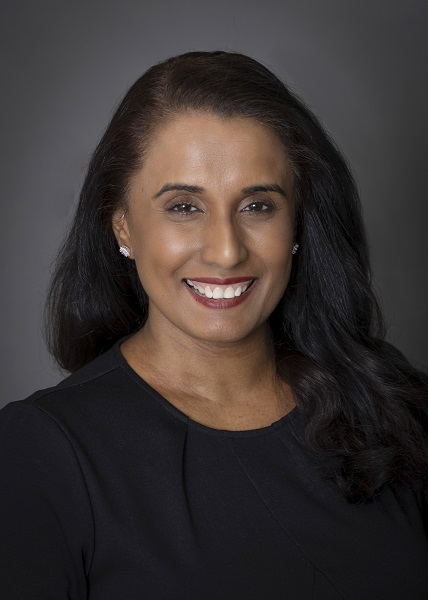
By Dr. Jaime Khemraj, chief medical officer
June 25, 2024 – According to the Florida Hospital Association, Florida is expected to be short nearly 60,000 nurses by 2035. A Florida Medical Association study shows a need for 18,000 physicians across the state by 2035, one-third for primary care physicians and the rest for specialists.
While a national shortage of health care providers began before COVID-19, that shortage became worse after the pandemic, causing many to rethink the stress and pressure of the profession. In addition, labor costs are growing, with providers having to take measures like salary adjustments and incentives to attract and retain staff.
It has resulted in the perfect storm in Southwest Florida, with a lack of affordable housing, high cost of living and the need for more health care workers to care for a growing aging population, often with complex medical needs.
Healthcare Network began working with farmworkers in Immokalee in 1977 and continues to provide care to underserved and remote communities in Collier County. For years, the nonprofit has recognized the need to train physicians locally, with the hope that they will embrace the mission of closing the gap in care by staying after their training is complete.
Developing training programs in the area can make a difference in workforce supply. The Association of American Medical Colleges reports that 65% of Florida medical residents stay in the state after their residency.
In 2007, the Florida State University College of Medicine entered an agreement with Healthcare Network to provide medical education and health care services for rural and underserved populations in Immokalee. Multiple options continue for medical students and post-doctoral psychology fellows to complete portions of their required and elective education program in Immokalee.
In 2020, Healthcare Network created its own annual Medical Assistant, and Pharmacy Technician Training Programs, and recently added Phlebotomy training to help ease the shortage of health care workers in Southwest Florida. These programs offer paid training, benefits and paid time, enabling participants to become registered Medical Assistants, Pharmacy Technicians or phlebotomists. Most graduates from these programs continue to work at Healthcare Network, contributing to the mission and enhancing the healthcare workforce.
Now Healthcare Network is poised to take advantage of the state’s “Live Healthy” legislation signed in March 2024 in Bonita Springs, which is designed to bolster the number of health care workers and improve access to care.
Among the Live Healthy programs that will benefit Southwest Florida include the Training, Education, and Clinicals in Health (TEACH) Funding Program.
This provision allows Federally Qualified Health Centers like Healthcare Network to participate in Florida’s Statewide Medical Residency Program and receive funding for residency slots, which had not been available before the bill. The new funding program allows training centers to apply for funding to offset lost revenue for training.
In collaboration with Florida State College of Medicine (FSUCOM), Healthcare Network is already developing a family medicine residency program to launch soon. Through the program sponsored by the FSUCOM, residents will experience and participate in a spectrum of primary care services including family care, obstetrics and gynecology, pediatrics and behavioral health. The residency is yet another opportunity for Florida State University and Healthcare Network to work together to better the lives of underserved communities.
Dr. Kristen Dimas, who graduated as valedictorian of her class at Immokalee High School and from the Florida State University College of Medicine Family Medicine Residency Program, has joined us as founding Program Director for the new Family Medicine Residency program to fulfill her goal to help others in the medical profession reach underserved populations.
Funded through a grant from Health Resources and Service Administration’s Teaching Health Center Graduate Medical Education (THCGME) program, the residencies will help Healthcare Network grow its health workforce by training physicians and dentists in community-based settings that focus on rural and underserved communities.
Also through THCGME, Healthcare Network received funding to create a residency in Advanced Education in Pediatric Dentistry Program (AEPD) to launch in June 2025. Through the program, dental residents will also have training experience with Lee Health, specifically Golisano Children’s Hospital.
About the Author
Dr. Jaimenee “Jaime” Khemraj is chief medical officer for Healthcare Network. For information about training and job opportunities, visit healthcareswfl.org/careers/