It is more than the “Maintenance Department”
Over 1,000 studies by groups such as the Robert Wood Johnson Foundation and the Center for Health Design, directly connect the physical environment of the hospital with quality patient and staff satisfaction, productivity, and overall financial performance.
There is an increasing trend among healthcare leaders around project justification being driven by creating an optimal environment – one that offers clean, relaxed and comfortable surroundings for patients and staff.
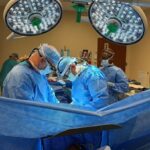
• At one community hospital, the leadership team justified new OR air quality technology based on the premise of documented increased throughput and an optimized environment as a recruiting tool for surgical staff.
• Another community hospital sponsored a project around OR environment control to increase surgeon satisfaction to avoid losing the surgeon team to a competitor.
With assistance from industry experts, hospitals have become quite innovative in their approach. Decreasing distractions that take doctors and nurses away from patient care benefits both the employee and the patients-studies show a direct correlation between increasing nursing hours and a reduction in patient morbidity, such as urinary tract infections and pneumonia.
• Hospitals have automated the monitoring of refrigeration units throughout the facility, which frees up time from nurse rounds, increased direct nurse/patient time and ensures Joint Commission compliance.
A series of interviews of over 100 healthcare executives was conducted regarding their experience with the physical environment and its linkage to performance metrics. The findings are as follows:
• The majority said the physical environment is an issue that should be engaged in because the linkage to mission level goals was rated as strong or very strong.
• 67% believe the connection between the physical environment and outcomes is intuitive or researched.
• The physical environment was ranked #2 following Return on Investment when justifying capital expenditures.
• 94% rated the physical environment important or very important to the patient experience.
• A majority of leaders spend less than 25% on the issue.
Hospital and facility leadership frequently struggle through the “fix it now or invest now” scenario when it comes to justifying facility improvements and may now find common ground by making linkages between infrastructure investments and patient care, employee performance and the physical environment. The inter-relationship of those can now be demonstrated; making what were once diverse, now inexplicably linked together. For example:
• By having industry experts perform a physical environment of care study, one hospital discovered a correlation between hand washing and water temperature. When the temperature was too cold, nurses and staff were less likely to wash their hands.
• Others have improved surgeon confidence and satisfaction with the hospital’s increased ability to deliver lower humidity, lower temperature, synchronizes room settings with block schedules and providing digital real time reporting.
The Facilities Management Department of a hospital is now considered more than just a necessary cost center required for the delivery of patient care. They now have the attention of the C-Suite, as the environment of care giving can have a major impact on the financial viability of the institution. Healthcare reform, lower reimbursement rates, and higher operating costs provide ample opportunities for energy cost reduction, and using those captured utility expenses for capital improvements rather than giving the money to the local utility. In fact some consultants and Energy Services Companies will guarantee the results of programs, if savings projections fall short of the guaranteed amount. Many hospitals are engaging in guaranteed energy performance agreements with those type of solutions providers. It also is a vehicle for a hospital to demonstrate their environmental stewardship to the community, and project a “Green” face to the public.