Memories are still fresh as meteorological experts warn of another above-average hurricane season less than a year after Hurricane Irma left devastation all over Florida.
Mariners Hospital and Fishermen’s Community Hospital in the Florida Keys in Monroe County, a vulnerable area, were under a mandatory evacuation order from the governor during this storm. For the first time in our 50-year history, Baptist Health South Florida stopped service at those hospitals. Combined, those hospitals are responsible for an area with a population of 78,000.
Experience with Hurricane Andrew and subsequent storms has made us certain about one thing: mastery of basic emergency preparedness enables us to act with confidence when faced with the unknown. It’s our duty as healthcare providers to ensure top-notch medical service around the clock, no matter the forecast.
Hurricane Irma tested our resources and plans, and I’m proud that we came through for our patients, employees and their families.
After the mandatory evacuation order to accommodate patients from the two Keys hospitals, we immediately organized rooms at our Miami-Dade hospitals and created an emergency plan to reopen those two hospitals. One hospital, Fishermen’s Community Hospital in Marathon, was damaged beyond repair.
Within days, our medical personnel were working out of a field hospital in Fishermen’s parking lot, surrounded by swamped boats and other debris. Today, the field hospital continues to provide care and will soon be replaced with an interim modular hospital this summer until we can fully rebuild Fishermen’s.
At the second hospital, Mariners Hospital in Tavernier, we transported a team of clinical and environmental staff in the days following the storm to get the hospital open on Sept. 12 to treat walk-ins with storm-related injuries. Three days later, the hospital was up and running, able to treat all emergencies.
In addition, our four Miami-Dade hospitals with maternity wards housed 200 pregnant women at 36 weeks or more in their term. It was important they come to the hospital because ambulances don’t run when winds are high. In all, 18 babies were born in the days surrounding the storm.
For the first time, we accommodated national and local media at our hospitals. It proved to be the quickest means to get important communications out to the rest of the city, state and nation.
Six months ahead of this hurricane season, we are once again ready for whatever comes our way. Supplies are stockpiled. Generators are triple-checked. Annual disaster drills complete. Here are simple lessons that have helped us through difficult times:
Organize
The Department of Emergency Preparedness at Baptist Health was established after Hurricane Andrew, and it is the central point for care coordination for our 10 hospitals and 50 outpatient centers. From there we collate all information, set plans in motion and initiate our messaging to the public.
Practice, practice, practice
Our emergency plan goes beyond natural disasters to include man-made disasters, such as bioterrorism. Rigorous drills and training are important to ensure everyone knows their role in an emergency.
Employee focus
Our people are our focus always, not just during emergencies and their dedication makes the difference in how our system weathers the storm. Let your employees know how much you value them and their expertise. Provide expectations before, during and after the emergency so they can prepare personally and professionally.
Engage physicians in emergency planning
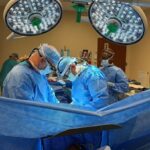
Develop a plan for having the appropriate medical staff members on site before, during and after a storm or disaster. During Irma, we did 14 surgeries at one of our hospitals.
Develop partnerships
Know where you will evacuate patients if your building isn’t hurricane proof. Seek assistance from hospitals at least 75 miles away. Coordinate with your community’s disaster response departments. Retain suppliers and distributors to deliver emergency supplies.