.jpg) History teaches coastal communities that every hurricane season threatens with the potential for damage from winds, storm surges, flooding and power outages; followed by the aftermath of clean up, repair and treatment of health-related incidents for half the year, from May through November. However, during the non-hurricane six months there is the planning, preparation and drills needed to save lives and property from the havoc of each storm, while continuing to provide quality healthcare and services to our frail elderly.
History teaches coastal communities that every hurricane season threatens with the potential for damage from winds, storm surges, flooding and power outages; followed by the aftermath of clean up, repair and treatment of health-related incidents for half the year, from May through November. However, during the non-hurricane six months there is the planning, preparation and drills needed to save lives and property from the havoc of each storm, while continuing to provide quality healthcare and services to our frail elderly.
For two major 2017 storms, Harvey and Irma, the anxiety of waiting was almost as harrowing as the event itself. Just after Harvey passed Florida and turned its monster wrath on Texas, Irma was being tracked in the Atlantic as a category 5 strength hurricane headed to blast the Caribbean Islands and South Florida. In fact, its force was soon to impact the entire state of Florida.
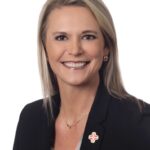
Elaine Bloom is President and CEO of Plaza Health Network. For this executive and her staff, there were seven skilled nursing care and rehabilitation centers and 900+ residents to prepare according to protocols to ensure uninterrupted food, safe shelter, medical care and personal care. Additionally, the staff required to nurse this vulnerable geriatric patient population had their own homes and families to safeguard too, so a plan of action was put in motion.
Ironically, the lifesaving miracles of technology – respirators, telemedicine, and medical scanning – make us all the more vulnerable when Mother Nature turns on us. Plaza Health Network’s patients have the benefit of 24/7 telemedicine and advanced telemetry needs in addition to EKGs, respirators and other electronically powered rehab apparatus to help them recover and return home as soon as possible. During a power outage lives could be at risk without generators to maintain these lifesaving devices.
One of the first orders of business with the predicted storm was to communicate plans to the families who entrusted their loved ones to Plaza Health Network’s safekeeping. Updates via social media, emails and phones helped families track where those patients would be relocated during the storm. Designating the “A” team of staffers who would care for patients around the clock during the initial three to five days of the storm onslaught and the “B” team who would relieve them once roads were declared safe to travel was also a critical care consideration.
Next, on Thursday before the Saturday night actual storm, seven corporate buses were utilized to activate plans to safely evacuate 180 residents of South Pointe Plaza which sits one block from the ocean on South Miami Beach, and relocate them to three of its other sites around Miami Dade County. A caravan of trucks was rented to bring along mattresses and supplies needed to provide accommodations and weather the predicted storm. Double bed room occupancy was stretched to accommodate three patient beds for bed-bound patients while special areas, such as dining rooms, were set up to temporarily care for the other incoming patients.
Current Chief Operating Officer Daniel Galbut carries on his family legacy from the 12-bed convalescent home which was the precursor to the current 979-bed Plaza Health Network. Galbut’s great grandmother was one of the founders of the Hebrew Homes of Miami Beach which was created to provide care for elderly Jewish people and war veterans in 1954.
Galbut described the hurricane plant preparation at each site. “Generators to support special medical needs and air conditioning during a power outage are a vital necessity to medically compromised patients in the sweltering heat. In the days preceding Irma they were checked and double checked to be certain they were above normal storm surge levels and were in working order. But the best laid plans – including weekly generator load testing – cannot ensure that a Plan B is avoidable. After the fifth power surge at one facility after the storm passed, two back-up generators that Plaza maintains had to also be utilized since the regular generator was affected by the surge and could no longer handle the load,” he said.
Florida is home to a large population of seniors citizens. The percentage of residents 60+ is expected to double by 2040. As such, the state has set a gold standard for being proactive for senior health and safety, somewhat due to Ms. Bloom’s marshaling of senior-friendly legislation during her eighteen-year stint as a Florida State Representative. However, Irma was so large it threatened the entire state so that in some cases, even evacuation and other preparation plans were compromised and challenged by its strength.
All of Plaza Health Network, South Florida’s largest not-for-profit system of skilled nursing facilities, was impacted by the size of this storm.
Lessons learned were déjà vu for this long time knowledgeable advocate for senior health and disaster preparation. “It is imperative to give special consideration to the vulnerable frail seniors in the rehabilitation and skilled nursing sphere of health care delivery and to have facilities returned to power. Senior facilities in hot weather locales like Florida need to be treated with the same level of urgency and priority as hospitals when it comes to restoring power ASAP to accommodate air conditioning needs,” Ms. Bloom emphasized in a television interview during the aftermath.
Evacuation is not an outing when you are in frail health; and sweltering temperatures take an additional toll on the aged. Unfortunately, this issue was dramatically front and center in other facilities in South Florida resulting in an unfortunate loss of life.
Ms. Bloom credits the spirit of the Plaza staff – at all levels – for their passion to patients above and beyond their normal commitment of hours. She named a host of corporate and individual staffers for their selfless efforts during and after the storm on behalf of their patients.
“We have administrators, nurse practitioners, registered nurses, licensed practical nurses, dietary, housekeeping and maintenance workers — superstars at all levels of responsibility – who tackled 12-hour shifts and longer to make sure two washers handled extra laundry loads, food was prepared, fears were calmed and ‘round-the-clock rehab, medical and personal care was delivered according to care plans,” she said.
In fact, that selflessness comes from the top down. On Monday after the storm she was already de-briefing with some directors and managers at the front desk of Aventura Plaza which was without air conditioning to avoid syphoning the air conditioning from patient rooms and areas. She was there in person to commend their efforts and support them in coming hours.
During our phone interview on Friday after the storm hit, this CEO was traveling in her car (dodging some downed power lines and branches) to a few network care sites and encountered a man working outside on electrical lines. She stopped to thank him for his help, asked if he had drinking water and inquired about timing for power restoration at the nursing home. She found out that he and his crew were from Kentucky and she made sure he knew how appreciative she was for his help. Official word was that the power would be restored to that site within the hour on the fifth day after the storm finally hit.
And finally, those who know Ms. Bloom concur that her praise for staff commitment wasn’t just lip service. Among many other urgent “to-do’s” the corporate staff made certain that the scheduled bi-weekly payroll got out for staff who also had families and homes to worry about after their shift was over.
There is no wonder that the facilities of this network have earned 5-star ratings time and again.