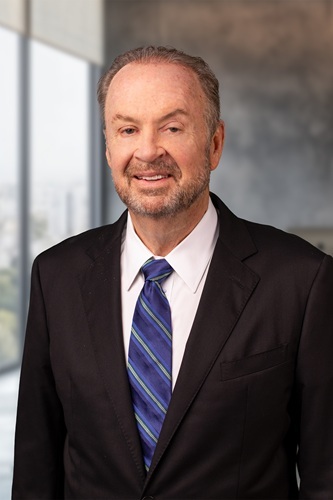
By Wayne Brackin
Though Miami has always welcomed a flow of international patients from the Caribbean and Central and South America—influenced by the city’s proximity and similar culture, language, cuisine, and more—those patients seeking specialists or experts in specific disease processes have not always stayed in the state. Many of those with the means to come here instead travel to the Mayo Clinic, Memorial Sloan Kettering, MD Anderson, and the Cleveland Clinic, among others, to receive the specialized care they need.
In the last five or six years, however, a tremendous investment has been made in Florida’s medical infrastructure—both in physical facilities and talent—that could raise its stature on the medical tourism market. In the years following the COVID-19 pandemic, South Florida has emerged as a magnet for business, tech, and financial services companies. This migration has fueled a notable rise in healthcare investment across the region.
For example, Ken Griffin, Citadel’s founder and CEO, made a substantial philanthropic gift to Nicklaus Children’s Hospital to build a five-story surgical tower and support its four major institutes advancing pediatric care. He also donated a significant amount to the Braman Comprehensive Cancer Center at Mount Sinai, which opened in May 2026. HCA Florida has made heavy investments in its Mercy campus and their trauma hospital at HCA Kendall. The Helen & Jacob Shaham Cancer & Blood Disorders Institute at Nicklaus Children’s Hospital was also made possible by significant philanthropic gifts. More recently, Herbert Wertheim made a transformational gift to advance Baptist Health’s Miami Cancer Institute.
As a result, world-renowned physicians have been attracted to South Florida and, in turn, have attracted international patients to the state. The academic partnerships with the medical schools at FIU, UM, Nova, and FAU have added sufficient weight in teaching and research that fuel the recruitment of these luminary physicians. The expertise they bring is staggering across fields ranging from pediatric and cardiac care to orthopedics and even limb-lengthening procedures. Notable physicians who draw international patients include Guillermo De Angulo, MD, Ossama Maher, MD, and David Kalfa, MD at Nicklaus Children’s Hospital; Minesh Mehta, MD, Thomas Nguyen, MD, John Uribe, MD, and Harlan Selesnick, MD at Baptist Health; Mauricio Pipkin MD, and Rodrigo Ruano MD, at Jackson Health; Ricardo Estape, MD and Nestor de la Cruz-Muñoz, MD at HCA Kendall and Mercy; and Dror Paley, MD, at Tenet St. Mary’s Medical Center, among numerous others.
Even as a longtime healthcare CEO, I didn’t fully realize the level of talent we have here. When my mother-in-law began to show signs of dementia, I asked a connection on the George Washington University medical faculty where to find her the best possible care. I was referred to Johns Hopkins as the leading center for cognitive medicine related to Alzheimer’s disease. During our initial appointment with the program’s director, he asked why I wasn’t having her seen by Dr. Marc Agronin in Miami, one of the world’s leading physicians in dementia medicine. I wasn’t aware that we had such an expert right here in our own community.
Because all of this investment in people, programs, equipment, and technology isn’t concentrated in one location but is spread across the board, it can often be overlooked. When this work occurs in silos, organizations in Florida compete rather than cooperate in the medical tourism market. At this level of clinical excellence, the competition is at a national and international level, not a local level.
As a member of the board of the Greater Miami Convention & Visitors Bureau, I believe that this is a missed opportunity. In the same way that members of the hospitality industry, including leaders of Marriott, the Gale, and other flag hotel companies, cooperate to focus on Greater Miami as a destination, we have the same opportunity to do so with medical tourism.
Creating an atmosphere of cooperation elevates all of the players—and I believe that’s a model worth noting. If the Marriott, the Gale, and the Betsy can set aside their natural competitive instincts for the greater good, we can do so in healthcare. We already work together when there’s an obstacle to overcome, such as during hurricanes or the pandemic, so why not collaborate to bring more medical tourism to our community?
Next Month: Working Together to Attract the International Patient Market