Imagine being discharged from the hospital but still needing some type of care by a professional. Then add the challenge of being uninsured. The team of nurses and social workers in St. Lucie Medical Centers case management department works diligently to arrange healthcare after hospital discharge, even for uninsured patients.
Using its streamlined online process, St. Lucie is getting patients from the emergency room into appropriate post-hospitalization care quicker than ever.
“We can do something now in a few minutes that might have previously taken a day,” said Donna Turner, the assistant director of case management.
St. Lucies Allscripts online program acts as a resource center, medical records database and two-way communication medium with providers statewide. The program welds together the time-consuming tasks of making phone calls, scheduling in-person meetings and filling out forms in one simple interface that puts all the information a case manager could need at their fingertips.
The web-based referral program helps St. Lucie connect patients with the best resources available, including home health care, rehabilitation, skilled nursing facilities, medical supplies, extended care facilities, hospice and transportation.
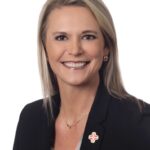
(l-r) Cheryl Phillips, case management director and Donna Turner, asst. manager
Allscripts first pulls up patient information, including history and physical reports and medications. Depending on which type of care is needed after discharge, case managers can pull up the appropriate form required, and Allscripts will automatically fill in the majority of the form.
The program also attaches history and physical information to the forms so the referred doctors and medical professionals can have all the background necessary to process the patient.
Once case managers have their patients information ready, they can sift through the various resources available by city, state and county.
And after finding the right fit for a patient, the case managers forward any forms and medical history needed directly to the organization they chose. If the provider doesnt have Allscripts, the files are faxed to them.
Then providers can respond to the case managers requests, and start a two-way conversation between the parties.
Allscripts helps free up extra time for St. Lucies case managers, and with 25-30 patients to see daily, they need every minute.
Because about 7 percent of St. Lucies patients come in uninsured, and many agencies offering free or low-cost services have cut back during the recession, securing post-hospitalization care for the uninsured has become a tough task, but a worthwhile one.
The hospital also makes lists of $4 medications readily available and coordinates with rehabilitation facilities that perform charity care, for patients who had strokes or traumatic injuries.
Additionally, department leads patients in the right direction if they may be eligible for Medicare, Medicaid or disability.
St. Lucies dedication and research have paid off and put about 150 people in skilled nursing facilities, and 200 in home health care per month.
And the title of case manager isnt something simply slapped on St. Lucie Medical employees ID cards. The work is strenuous, and often difficult, but its a calling and a rewarding one at that, according to Cheryl Phillips, director, case management.
Case in point a family who had been evicted during the holiday season came to case management in January. Despite difficulty securing outside resources, Phillips department was undeterred.
They went through the hospital and took a collection from employees, whose dollar and five-dollar donations helped the family return home and pay their landlord only four hours later.
“We have a lot of caring, compassionate people with a lot of empathy at this hospital,” Phillips said. “This is their community that theyre taking care of, and they treat their patients like their family.”