



By Vanessa Orr
Since 2012, nuclear verdicts—those with judgements in excess of $10 million—have skyrocketed, both in Florida and across the country. Thermonuclear verdicts have also increased, resulting in plaintiffs receiving awards in excess of $100 million, and sometimes more than $1 billion.
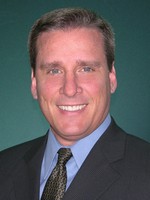
Tom Murphy
“Prior to 2012, you rarely saw verdicts in excess of $10 million, but that’s much more commonplace now,” explained Tom Murphy, SVP National Healthcare Practice, Risk Strategies. “But Florida has begun taking steps to rein in these nuclear verdicts and will continue taking legislative action to cut back on these awards.”
To this end, in March 2023, Gov. Ron DeSantis signed bill HB 837 in order to make it more difficult for homeowners to file frivolous claims and to limit the time they have to file the claims. It also limits attorney fees.
“Everyone in Florida who owns property knows where the property insurance market has been in the last 5-10 years, with carriers going bankrupt and leaving the state and premiums skyrocketing,” said Tom Murphy. “A good portion of this problem is related to frivolous homeowner claims and attorney fees.”

Kyla Murphy
“Between regulatory issues and costs passed down to us, look at what we’re paying for homeowners’ insurance,” he added. “It’s not because the carriers are gouging us, but because they’ve had to pay out large sums. Florida has almost 80 percent of all property lawsuits in the entire country.”
According to Kyla Murphy, AVP National Healthcare Practice, Risk Strategies, Missouri, Texas, Pennsylvania, and Washington were the states with the largest number of verdicts in 2023, while Florida, historically the No. 2 state for nuclear verdicts, dropped to seventh place. Still, between 2009-2023, carriers paid out in excess of $33 billion in Florida as a result of these verdicts.
“Part of the reason for these huge judgements has been credited to jury members being swayed by social media and television shows that have desensitized them to large numbers,” she said. “Juries think that there is no harm in giving people ‘free’ money.
“Jury pool demographics have also changed, resulting in a younger generation that is more pro-plaintiff and less trusting of corporations,” she added. “The term for this new dynamic is social inflation.”
Since becoming law, HB 837 has cut back on a number of these lawsuits, requiring homeowners to file claims in a certain period of time and also trimming back on attorney’s fees, freeing up the property and casualty market.
Physician malpractice carriers may benefit from the new law as well. “While we haven’t seen any rate adjustments yet, anytime you cut back on nuclear verdicts, it shows carriers that there is a glimmer of hope,” said Tom Murphy. “Nuclear verdicts keep insurance executives up at night.”
In addition to HB 837, some members of the Florida Legislature are now working on reenacting medical malpractice tort reform, similar to what was in place in the early 2000s. Though voters overwhelmingly approved tort reform with a 67 percent popular vote when it was a ballot initiative in 2011, the Supreme Court overturned that initiative as unconstitutional in 2014.
“As the legislature is working to reform the medical malpractice statute, it’s important to notice the trickle-down effect that occurs from these nuclear verdicts,” said Kyla Murphy. “These verdicts are creating higher rates for doctors, reduced capacity in the marketplace and limited coverage.
“As these verdicts are reduced, it results in lower rates for doctors, more carriers in the marketplace and more coverage options,” she added.
Legislators are currently molding physician tort reform legislation in the hopes of getting it on the March 2025 legislative schedule.
“It’s very difficult in Florida with the strength of the plaintiff bar to pass legislation like this, so it will be an uphill battle,” said Tom Murphy, noting that there are more attorneys in Florida than anywhere else in the country besides Washington, D.C. “But the legal atmosphere has to change; the pendulum has to swing back the other way, and we’re on track with the current legislature.”
For more information, contact Kyla Murphy at Kyla.murphy@risk-strategies.com or Tom Murphy at tmurphy@risk-strategies.com or call 800-966-2120.






















