By Rachel Puri
The landscape of healthcare is evolving at an unprecedented pace, and with it comes the transformation of medical real estate. Recognizing this, it is essential to shed light on the challenges faced by medical providers. As the demand for accessible and patient-centric care continues to rise, the need for innovative spaces for healthcare providers becomes paramount. Lina, a company dedicated to supporting independent health practitioners in private practice, stands at the forefront.
Current Issues in Medical Real Estate
Medical providers, especially independent practitioners, often grapple with a multitude of challenges in the realm of real estate. Escalating rental costs, rigid lease terms, and limited customization options are some of the many hurdles faced by healthcare professionals. Additionally, the need for specialized infrastructure and compliance with stringent healthcare regulations further complicates finding suitable spaces for medical practice.
In many urban areas, prime medical real estate is scarce, leading to fierce competition among practitioners. This often results in compromises on location, size, or amenities, which can negatively impact the patient experience and overall efficiency of the practice. Furthermore, the COVID-19 pandemic has highlighted the importance of flexible and adaptable spaces that can accommodate changes in patient volume and treatment modalities.
The State of Commercial Real Estate
Recent years have witnessed significant shifts in the commercial real estate landscape, particularly in medical properties. In 2022, U.S. inflation rates surged to worrisome heights, peaking at 6.5%. While the inflation rate has since receded, it continues to be a critical factor for the healthcare real estate industry. Inflation exerts a notable influence by increasing construction and purchasing costs. With prices soaring, the expenses associated with building new healthcare facilities skyrocket. This drives up office prices, affecting those seeking spaces for purchase or investment in medical real estate. Simultaneously, aspiring practitioners face financial hurdles in launching private healthcare practices.
The commercial real estate market is further complicated by the effects of the COVID-19 pandemic, which accelerated a shift towards remote work. According to a recent article in Bloomberg News, more than one-fifth of office space remained empty across several US Cities at the end of Q3 2023. Landlords grapple with empty buildings, struggling to repay loans, marking an entrance into a complicated future for commercial real estate that may be here to stay for the long haul.
The dual challenges of inflation-driven cost increases and the pandemic-induced shift in work dynamics create a complex environment for commercial real estate stakeholders, requiring adaptive strategies and innovative solutions.
Pioneering the Future of Medical Real Estate
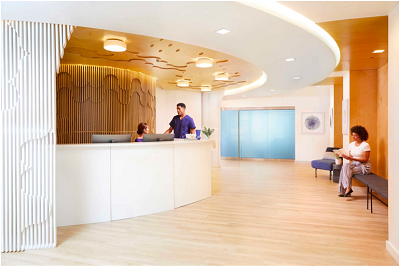
In response to these challenges, Lina has emerged as a pioneer in the field of medical real estate. Understanding the unique needs of independent health practitioners, Lina offers collaborative workspaces tailored to the requirements of medical, mental health, and wellness practitioners.
Despite the prevailing availability of office space options healthcare providers are continuing to choose Lina as a home for their practice. Lina’s approach eliminates headaches tied to lease agreements, upfront and overhead costs, operational logistics and so much more.
In an environment with abundant office space, Lina continues to provide viable solutions for healthcare professionals and landlords alike. Unlike typical office tenants, Lina serves healthcare providers who cannot work remotely, ensuring consistent demand for dedicated office space. As a vital amenity for commercial office spaces, Lina establishes a symbiotic relationship, positioning itself as a strategic partner for practitioners and landlords.
Key Features of this Innovative Approach
- Flexibility and Customization: A one-size-fits-all approach does not suffice in healthcare. Practitioners have the freedom to customize their private office space, ensuring that it aligns seamlessly with their unique practice needs.
- State-of-the-Art Infrastructure: Equipped with cutting-edge technology and infrastructure, ensuring that practitioners have access to the tools they need to deliver high-quality care.
- Compliance and Regulation: Designed with compliance in mind, allowing practitioners to focus on their patients without compromising on regulatory requirements or patient privacy.
- Community and Collaboration: spaces are designed to foster a sense of community among practitioners. By bringing together diverse healthcare professionals, they encourage collaboration and knowledge-sharing, ultimately benefiting both practitioners and patients.
A Bright Future for Medical Real Estate
As the healthcare industry continues to evolve, the importance of innovative and adaptable medical real estate is key. Lina, with its visionary approach, stands as one solution for independent health practitioners, offering them a space where they can thrive in private practice. By addressing the current challenges faced by medical providers and redefining the standards of medical real estate, companies, such as Lina, pave the way for a brighter future in healthcare delivery.