

September 15, 2022 – Samantha Miller is one of an estimated 200,000 Americans that live with sickle cell disease, a genetic blood disorder where normally round red blood cells contort into a sickle shape and die, leaving a shortage of healthy cells and potentially blocking blood flow to the body’s organs. “You can be fine one moment and the next moment have pain all over your body. The pain feels as if an ice pick is constantly jabbing into your bones,” said Miller, who was diagnosed at just three weeks old.
The pain results from tissues not getting enough oxygen and can immediately put patients into crisis. So, while medication, blood transfusions, and bone marrow transplants (in the most severe cases) can help manage symptoms, sickle cell patients require a more comprehensive approach to enable them to maintain their quality of life.

Melida Akiti
That’s why Memorial has created a medical home for sickle cell patients that will soon be housed in a recently-renovated primary care location across the street from Memorial Regional Hospital’s emergency department in Hollywood. “We’ve combined all the resources of our day hospital, primary care, hematology, and social services in one location to ensure we meet all the needs of our patients that battle sickle cell disease,” said Melida Akiti, vice president of the Ambulatory Program and Community Services at Memorial Primary Care.
The medical home includes infusion suites, equipment, and furniture that will be utilized by patients coping with the effects of the disease. A $300,000 contribution from the nonprofit Memorial Foundation made it possible to relocate and expand the former day hospital.
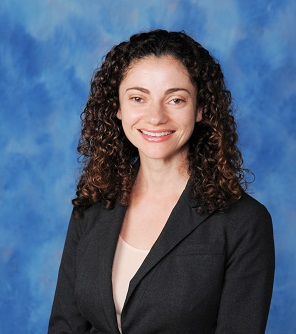
Dr. Jennifer Goldman
“It’s a game-changer to be able to provide our patients, community, advocates, and team with world-class education, medical care, lifestyle, and life care in one place,” said Dr. Jennifer Goldman, chief of Memorial Primary Care. “We’re especially thankful for the generosity of donors and the vision of our foundation leadership that contributed to the new medical home for this disease.”
A benefit to having the sickle cell day hospital within the primary care facility is an innovative addition to the patient’s electronic medical records that account for all the factors that can affect an individual’s disease and treatment. Called “social determinants of health,” these include having access to affordable, nutritious food, transportation, stable housing, the means to afford prescriptions, and more. These problems are now prominently noted alongside their disease diagnosis, ensuring clinicians and support staff are aware of the challenges a patient might be facing and know to connect them to whatever resources or assistance might be available. Additionally, Memorial Healthcare System has established a Health Equity, Diversity & Inclusion (HEDI) Council to address health inequities and identify innovative solutions to improving patient outcomes. The creation of a medical home to provide comprehensive care to sickle cell patients is a prime example of Memorial’s HEDI initiatives to innovate and advance health equity.
To learn more about Memorial’s approach to treating sickle cell patients, visit https://www.mhs.net/services/cancer/types/sickle-cell.
Memorial Healthcare System is one of the largest public healthcare systems in the U.S. and a national leader in quality care and patient, physician, and employee satisfaction. It is highly regarded for a patient and family-centered approach that prioritizes multi-disciplinary collaboration, research, innovation, and transparency.
A South Florida-based academic medical center, Memorial is committed to healing the body, mind, and spirit of those it cares for at six hospitals (including Joe DiMaggio Children’s Hospital), numerous primary, urgent, and 24/7 care facilities, a health specialty center, and nursing home.
For more information, visit mhs.net and connect on Facebook, Twitter, Instagram, YouTube, and LinkedIn.