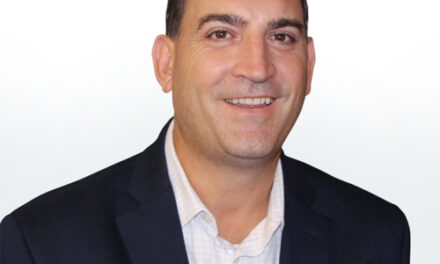
By Jose David Suarez, MD
According to the 2022 Mental Health America report, Florida ranks 49th in the nation in access to care for patients with mental illness. The significant impact of the COVID-19 pandemic has further strained resources and highlighted the failings of our current health care system to ensure access to those that need support. While the State of Florida has taken steps to focus resources and attention on this critically important matter, it is clear that more must be done.
Florida has been taking steps to build infrastructure to expand access to mental health services. Following one of the Grand Jury reports in the Marjory Stoneman Douglas High School shooting in Parkland in 2018, Governor DeSantis signed a bill into law creating the Florida Commission on Mental Health and Substance Abuse.
The charge of the Commission is to “examine the current methods of providing mental health and substance abuse services in the state and to improve the effectiveness of current practices, procedures, programs, and initiatives in providing such services; identify any barriers or deficiencies in the delivery of such services; and recommend changes to existing laws, rules, and policies necessary to implement the Commission’s recommendations.”
While the Commission continues to consider recommendations for changes in the laws and rules associated with access to treatment, there are a couple immediate steps that public officials can take to expand services for those in need. It is here where physicians really need to be engaged in discussions to encourage lawmakers to institute meaningful change.
There has been a significant increase in mental health services being rendered via telehealth since the start of the pandemic. During the 2022 Florida Legislative Session, lawmakers are considering several bills that would advance telehealth services in the State. One bill would add “Audio-Only” to the formal definition of Telehealth in the Florida Statutes. This is an important step forward for the state given the inability of many elderly residents and those in rural communities to access the technology and broadband required to effectively executive formal telehealth visits. For those with limited infrastructure or proficiency with technology, Audio-Only services can truly be a lifeline.
Another bill would require insurance carriers to pay the same rate for telehealth services as they would for a physician providing in-person care. This payment parity legislation is in effect in a number of states nationally and is an important safeguard for patients that have existing relationships with clinicians who are managing their chronic conditions and mental health.
Another measure that could be taken immediately is requiring the Medicaid Managed Care Companies to have sufficient mental health professionals in their networks. There have been several recent articles in South Florida highlighting this issue that is facing patients in our community. Mental health services are a covered benefit for Medicaid beneficiaries and if these reports are correct, some insurers are limiting utilization of this benefit simply by having insufficient mental health professionals in their network.
Your DCMA continues to advance pro-physician and pro-patient measures in our community. The significant deficiency we have in access to mental care services for patients demands our full attention. Your leadership is committed to continuing to press for solutions as we prepare for the full impact of the pandemic on mental illness to be revealed.
Dr. Jose David Suarez is President, Dade County Medical Association, Inc.