Each year, the month of November is designated “National Family Caregivers Month” as a time to thank, support, educate, and empower family caregivers.
Caregivers are anyone who provides unpaid assistance to a chronically ill, disabled or elderly family member, friend or neighbor. Caregivers are often the primary source of care and are viewed as an unpaid extension of the U.S. healthcare system.
Caring for someone who is progressively ill can be an enriching and fulfilling life event for the caregiver. However, it is well-documented that the process can also be physically and emotionally stressful. Caregiving can take a toll on relationships, work performance, health and well-being.
Caregiver Comfort Circles meet twice a month and are co-facilitated by Janet Siniscalchi, R.N., and Stefanie McKee, Ph.D (upper right.)
Todays caregivers are balancing multiple roles, including working full-time and having young children at home. In doing so, they often neglect their own physical and emotional health and are at risk of becoming ill themselves. They miss personal physician appointments, lack proper nutrition and exercise, and are deprived of sleep.
Multiple studies have demonstrated the many negative consequences of caregiving, including immuno-suppression, coronary heart disease, hypertension, anxiety, depression, exacerbation of chronic illnesses, and even premature death. These risks are exacerbated when the caregiver is elderly and the family member receiving the care is progressively ill. Without care and support for the caregiver, an environment is often created that is hazardous to both the caregiver and care recipient. In response to continued and increasing evidence documenting these concerns, the Centers for Disease Control has identified caregiving as a “public health priority.”
Family, friends, and neighbors take on the responsibility of caregiving because of their love for and relationship with the person who is ill. However, their strong personal commitment to this role is all too often compromised by their lack of medical knowledge, inadequate support and inability to focus on their own health and wellness. In order to preserve the vital role caregivers play in our healthcare system and to decrease the likelihood of becoming ill themselves, caregivers need resources, information, skills training, and their own self-care and support services.
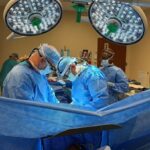
Complementary Therapy practitioner, Janet Siniscalchi, R.N., provides a Reiki session for a caregiver.
With more than 30 years experience supporting family caregivers of its hospice patients, Hospice by the Sea, Inc. understands the important, yet often unrecognized, role that caregivers play in our healthcare community. They have developed the Aloesea Caregiver Program to empower caregivers with the educational resources and support they need to better care for their loved ones and themselves. The nurturing qualities of the Aloesea Caregiver Program are represented in its name, “Aloesea,” which is derived from the healing properties of the Aloe plant, and from the Seas capacity to calm and revive.
The intent of the Program is to improve caregiving skills, increase wellness and reduce stress, and decrease feelings of isolation and loneliness among caregivers. The program consists of the following components:
The Sylvia Wolens Caregiver Education Program provides skills training workshops on basic tasks and techniques associated with caregiving; offers a step-by-step skills training DVD, “A Lifeline for Caregivers”; provides information on community resources; and offers lectures on self-care topics.
Complementary Therapies are offered to reduce stress, restore energy, and nurture the mind, body and spirit of caregivers. Complementary therapies offered include: Reiki, Healing Touch, Guided Imagery, Meditation, Yoga and Drum Circle.
Caregiver Support Groups allow caregivers to come together to share experiences, gain new knowledge and establish supportive relationships with other caregivers. Caregivers learn self-care strategies and the importance of taking time to care for themselves.
Caregiver Respite is available to give caregivers a needed break from their caregiving role. Caregivers can use this time to focus on themselves. For example, to attend Aloesea Program activities, have lunch with friends, attend their own doctors appointments, or go grocery shopping. The Program has trained volunteers available to provide respite care.
The Aloesea Caregiver Program recognizes the importance of supporting, educating and empowering caregivers during National Family Caregivers Month and throughout the year.