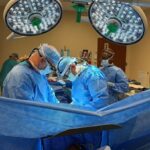
Delray Medical Center now offers Transcatheter Aortic Valve replacement (TAVR), an advanced minimally invasive treatment option for patients with severe aortic stenosis. The procedure may be especially beneficial for patients who are not suitable candidates for traditional open-heart surgery.
“Heart disease is the #1 cause of death in the United States, killing more people every year than all forms of cancer combined,” said Mark Bryan, chief executive officer of Delray Medical Center. “Our goal is to bring new medical advances to our community, such as the TAVR procedure, which could offer better outcomes for our most high-risk patients.”
The procedure involves the placement of one of two devices: the self-expandable Medtronic CoreValve or the balloon-expandable Edwards SAPIEN XT valve. Either device is implanted into the body with a tube-based delivery system. It is designed to replace a patient’s diseased native aortic valve without traditional open-heart surgery and while the heart continues to beat. This avoids the need to stop the patient’s heart and connect him or her to a heart-lung machine, which temporarily takes over the function of the heart and the patient’s breathing during surgery (cardiopulmonary bypass).
For both inoperable and high-risk patients, the valve is approved to be delivered with the RetroFlex 3 Delivery System through an artery accessed through an incision in the leg (transfemoral procedure). For high-risk patients who do not have appropriate access through their leg artery, the valve is approved to be delivered with the Ascendra Delivery System via an incision between the ribs, and then through the bottom end of the heart, called the apex (transapical procedure).